
An Indigenous-led home for critical and creative research on the politics of technoscience.
LABS
Since 2007, the Technoscience Research Unit at the University of Toronto has been the institutional Indigenous-led home for many scholars researching within the fields of science, technology and environment. Through research projects, micro-laboratories, and working groups, we support and foster Indigenous, feminist, queer, environmental, anti-racist and anti-colonial methodologies for studying the history and politics of technoscience. Our research activities – clustered together in laboratories – are organized according to three priority areas: Environmental Data Justice; Indigenous Science, Technology & Environment Studies; and Indigenous Science and Ethical Substance. Learn more about our research areas and activities below.
-
The Environmental Data Justice Lab is an Indigenous lab that focuses on the relationships between data, pollution, and colonialism with a focus on Canada’s Chemical Valley, where 40% of Canada’s Petrochemicals are refined, and which is on the territory of Aamjiwnaang First Nation. The lab is dedicated to community-based and led research, and is co-led by M Murphy (Red River Metis) and Vanessa Gray (Aamjiwnaang First Nation). The lab includes students, faculty, and community researchers.
Read more → -
Indigenous contributions to science, technology, and environmental studies (STES) signal a new era of research collaboration. Fields as distinct as chemistry, AI, and pharmacy now seek to collaborate with Indigenous scholars. At the same time, Indigenous scholars are taking the lead in developing their own methods of Indigenous research suited to data and computationally driven research conditions, current and future technologies, and urgent environmental needs while transforming policies, protocols, and practices that support self-determination. The Technoscience Research Unit is committed to advancing the research in the field of Indigenous Science, Technology, and Environmental Studies (ISTES) at the University of Toronto and globally.
-
The ISES Lab brings Indigenous STS and community-based methods to transform material discovery, our understanding of chemical risk, and and frameworks of ethical substance. We strive to ensure the ethical integration of Indigenous knowledges and values into research design for chemistry, chemical management, and materials discovery.
RECENT ANNOUNCEMENTS
-
![]()
TRU to Steward $22M New Frontiers in Research Fund - Transformation Grant
Stewarded by the Technoscience Research Unit at the University of Toronto, this Indigenous-led and multi-institutional research project seeks to re-envision chemical risk management in a time of environmental crisis.
-
![]()
TRU Announces Post-Doctoral Fellowship
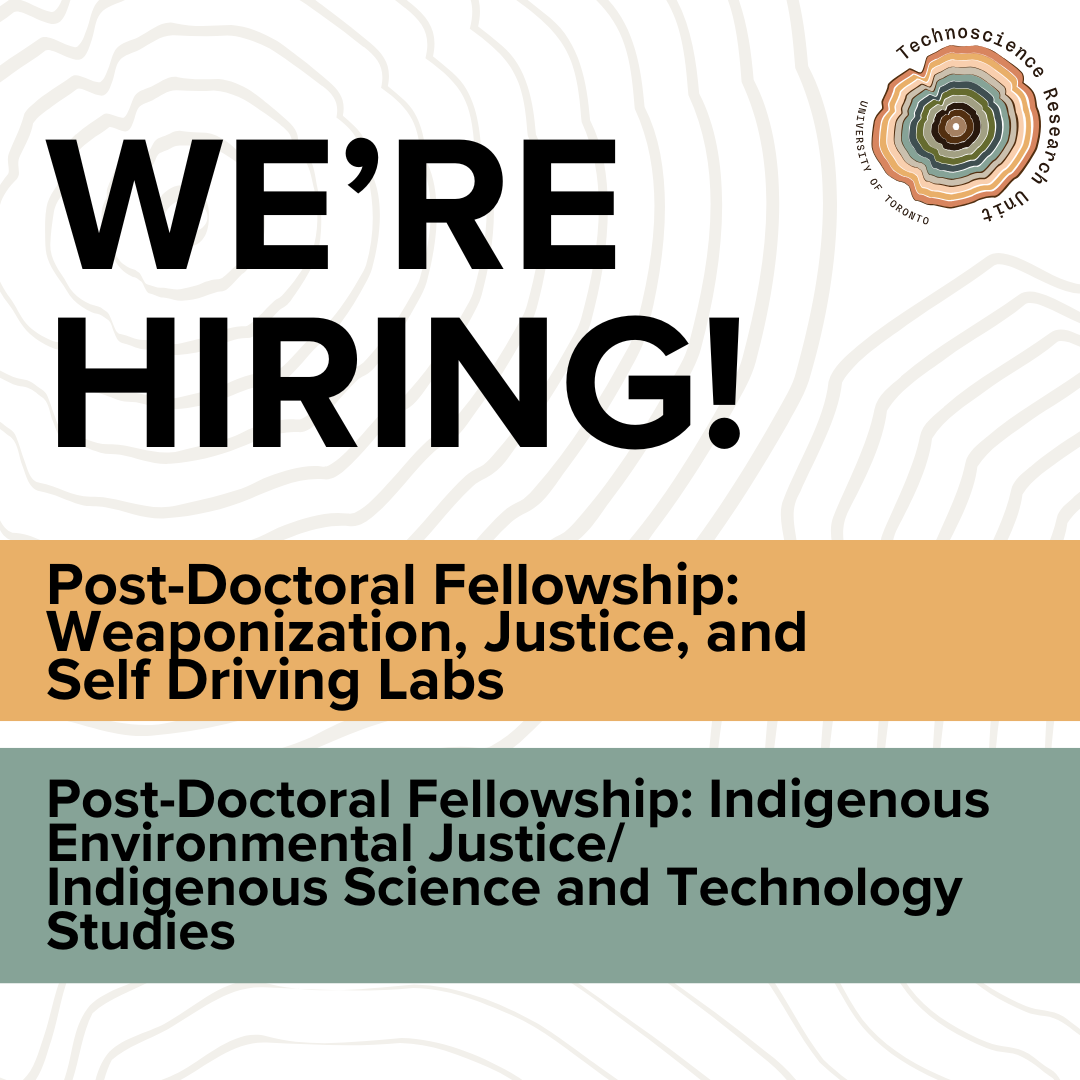
The TRU is offering two Post-Doctoral Fellowships; one in the area of Weaponization, Justice, and Self Driving Labs and another in Indigenous Environmental Justice / Indigenous Science and Technology Studies.
Applications are due Feb. 2nd, 2026.
-
![]()
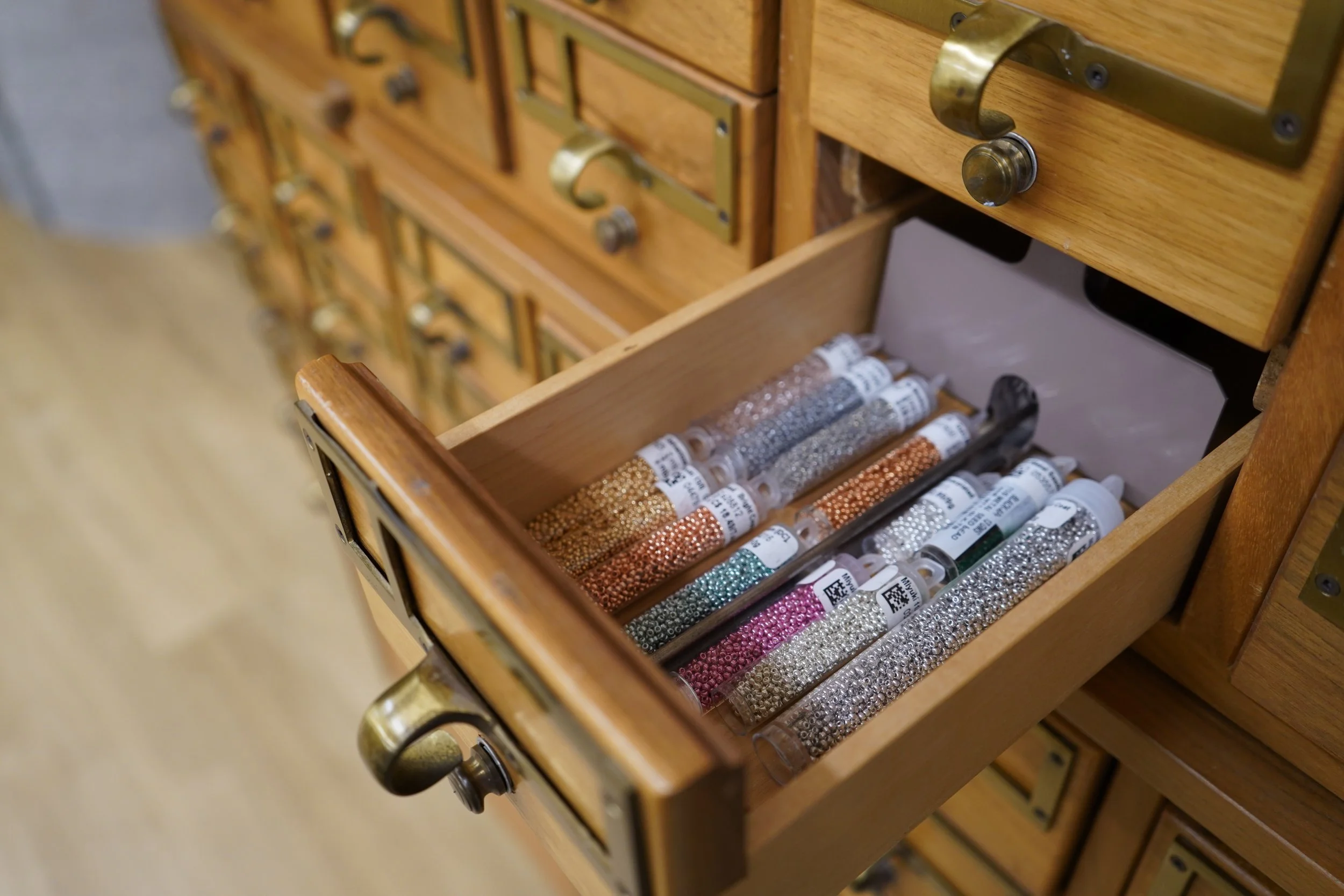
Winter Beading Circle at the ISTES Hub
Join us Feb 5, March 5 and April 2 for beading. All supplies, including new and antique seed beads, will be provided plus lunch and tea.
-
![]()
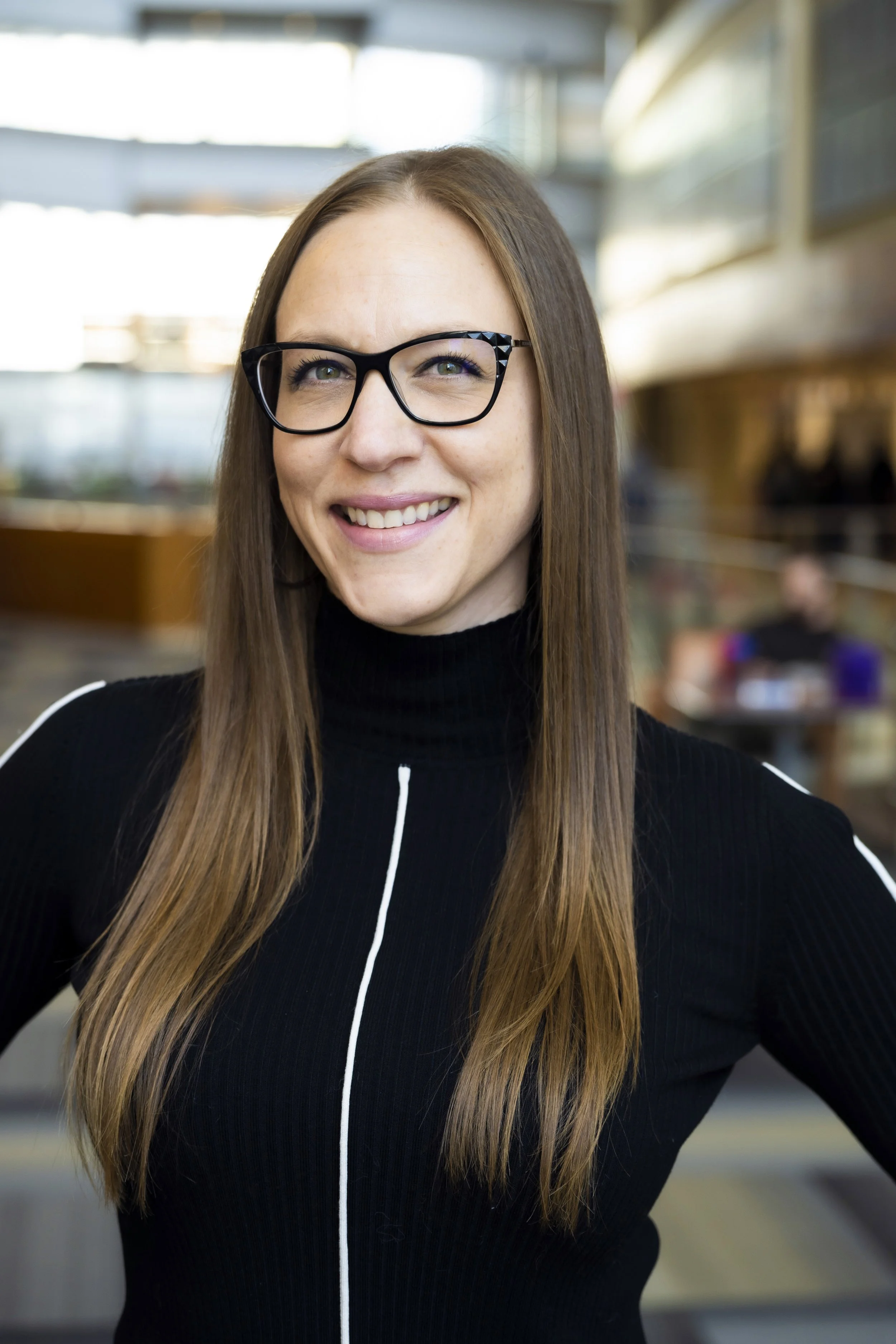
2025-26 Technoscience Salon :: Jessica Kolopenuk and Ricky W. A. Smith
On January 14, 2026, Dr. Jessica Kolopenuk (University of Alberta) and Ricky W. A. Smith (George Mason University) joined us on for a discussion on the coloniality of research ethics.
-
![]()
TRU to Launch Indigenous Science, Technology and Environment Hub
On November 12, 2025, TRU launched the Indigenous Science, Technology, and Environments Studies Research Hub (the ISTES Hub) at the University of Toronto.
-
![]()
2025-26 Technoscience Salon :: Kelsey Leonard
On November 12, 2025, we held our first Technoscience Salon of 2025-26 ft. Dr. Kelsey Leonard is a water scientist, legal scholar, policy expert, writer, and enrolled citizen of the Shinnecock Nation. Her work focuses on Indigenous water justice and its climatic, territorial, and governance underpinnings for our shared sustainable future. She holds the Canada Research Chair in in Indigenous Waters, Climate and Sustainability.
-
![]()
On Wholeness Book Launch with Quill Christie-Peters
On November 1, 2025, Another Story Bookshop and the Technoscience Research Unit presented the Toronto launch of On Wholeness: Anishinaabe Pathways to Embodiment and Collective Liberation (House of Anansi) by Quill Christie-Peters, with special guests Al Hunter and Jana Rae-Yerxa.
-
![]()
IEDJ Publication Announcement
M. Fernanda Yanchapaxi and M. Murphy have co-authored “Indigenous Environmental Data Justice: Confronting Colonial Data and Activating Indigenous Sovereignty.” This article describes what is Indigenous Environmental Data Justice (IEDJ) and elaborates on data practices (including our lab’s work) that Indigenous communities have developed in response to structures of colonial environmental datafication. Their work highlights the work of communities toward Indigenous data governance and alongside the principles of Indigenous Data Sovereignty.
-
![]()
Community Publications from Aamjiwnaang
The Environmental Data Justice Lab (Vanessa Gray, Beze Gray, Joel Piche, and Layla El-Dakhakhni) have brought forward two new publications that share some of the environmental and chemical relations of those who live in Aamjiwnaang First Nation. OPINION: Understanding Our Surroundings – Tanks and COMMUNITY VOICE: Suncors’ Crude Oil Spill on the Gchigami-Ziibii (St.Clair River)
-
![]()
ISTES Publication Announcement
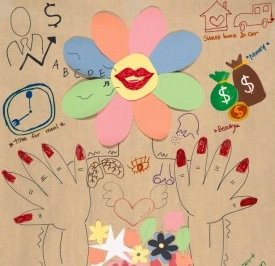
Our staff scholar, Dr. Reena Shadaan, draws on arts-based research approaches with her latest single-author paper, “‘It’s a mixture of emotions’: Nail technicians’ visual storytelling of work and health.” This publication centers participants' own imagery and narratives, shifting chemical relations from the laboratory to where people encounter them in their daily lives.
-
![]()
Celebrating 10 years of Catalyst!
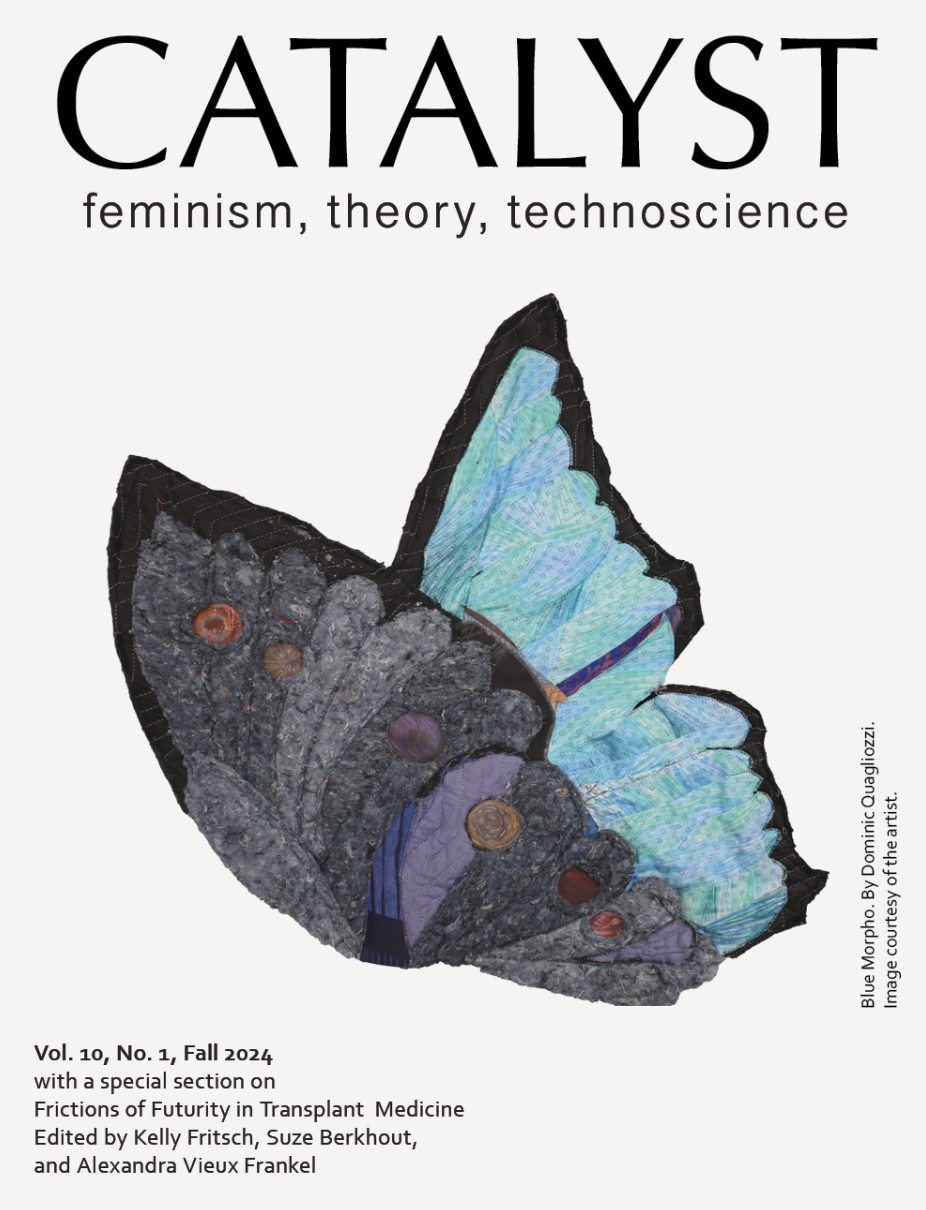
The tenth anniversary of Catalyst: Feminism, theory, technoscience marks a significant milestone in critical scholarship at the intersection of feminist studies, science and technology studies (STS), and critical theory. Catalyst invites scholars, activists, and artists to contribute to the anniversary in a myriad of ways.
-
![]()
Special Report: Data Colonialism in Canada's Chemical Valley
A collaborative effort with the Yellowhead Institute, this special report describes the permission-to-pollute system in Chemical Valley, explains how industry manipulates data, and looks to community members of Aamjiwnaang First Nation for alternatives to data colonialism.
-
![]()
Pollution Reporter 2.0
The Pollution Reporter 2.0 App translates and connects government, industry-reported, and peer reviewed sources of data into accessible information about the known health effects of pollutants. You can search by polluter, by chemical pollutant or by health category or symptom. The app assists in attaching responsibility for health harms to chemicals and the corporations that make them.
-
![]()
Kristen Bos featured on UofT’s Groundbreakers Series
Listen to our co-director speak on “AI, Tech, and Social Justice” and about the research that we are conducting in the field of Indigenous Science, Technology & Environment Studies (ISTES).
-
![]()
We hosted the Slow Factory's Céline Semaan for "A Woman is a School" Book Tour
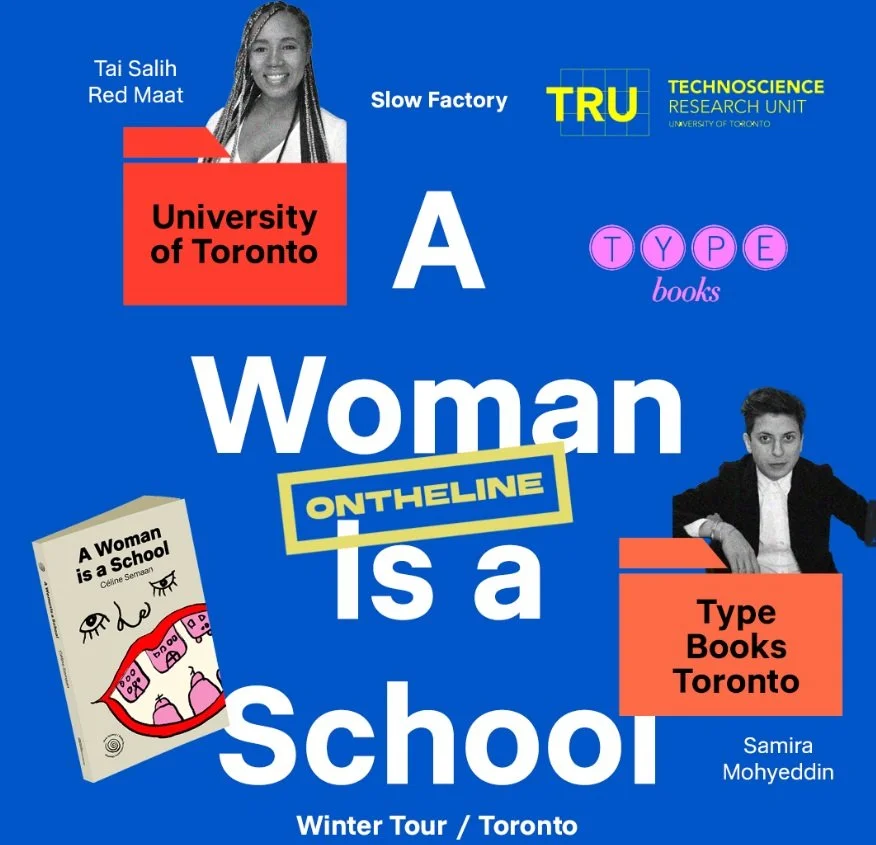
In February, we hosted "A Woman is a School" Toronto book launch and panel with author and Slow Factory founder Céline Semaan, in conversation with Samira Mohyeddin from On The Line Media and Tai Salih from The Red Ma'at Collective.
-
![]()
2025 Technosceince Salon: Jayson Maurice Porter
Dr. Jayson Maurice Porter delivered the final lecture for the 2025 Technoscience Salon: What is a Chemical? His talk on arsenic, race, and empire was part of our ongoing inquiries into what a chemical is and how it might be recognized, apprehended, and manipulated.








Open Positions
We are currently accepting applications for the below positions. As an Indigenous-led lab, we strive to create a decolonized and feminist research community.
-
Application deadline: Dec. 19, 2025
Join a large, Indigenous-led community-research based, multi-institutional project on “Transforming Chemical Risk Management with Indigenous Expertise.”
Candidates with experience working in organizations or communities, in addition to candidates with master’s degrees, are welcome to apply!
-
Date Posted: Dec. 12, 2025
Application Deadline: Feb. 2, 2026
Short summary: This postdoctoral position will research how Indigenous research practices can lead in the research design of new methods and tools for the assessment of pollution and substances. As chemical risk management turns away from animal testing and as current chemical management fails to protect communities, there is an opportunity to design new methods accountable to, by and for, Indigenous communities for the evaluation of pollutants.
This fellowship is located at theTRU’s Indigenous Science and Ethical Substance Lab (ISES) and part of the NFRF-Transformation project Transforming Chemical Risk Management with Indigenous Expertise.
For full description, qualifications, role requirements, and instructions on how to apply, please click “View Application”.
-
Date Posted: Dec. 12, 2025
Application Deadline: Feb. 2, 2026
Short summary: This postdoctoral position will research the urgent question of militarization and weaponization of self-driving labs and AI tools for rapidly creating new chemicals. As self driving lab technologies seek to “democratize” who can build and access the rapid creation of novel substances, they also create the conditions for rapid weapon creation and new challenges for the International Convention on Chemical Weapons.
This fellowship is located in the TRU’s Indigenous Science and Ethical Substance Lab (ISES) and is connected to a partnership with the Acceleration Consortium’s Self-Driving Labs for Molecular and Materials Discovery’s Canada First Research Excellence Fund project.
For full description, qualifications, role requirements, and instructions on how to apply, please click “View Application”.
PRESS RELEASES AND MEDIA
The TRU has long provided a home at the University of Toronto for scholars working through the history and politics of technoscience.