
ABOUT US
At the TRU, we strive to create a decolonized and feminist research community. We are a mix of Indigenous and non-Indigenous researchers.
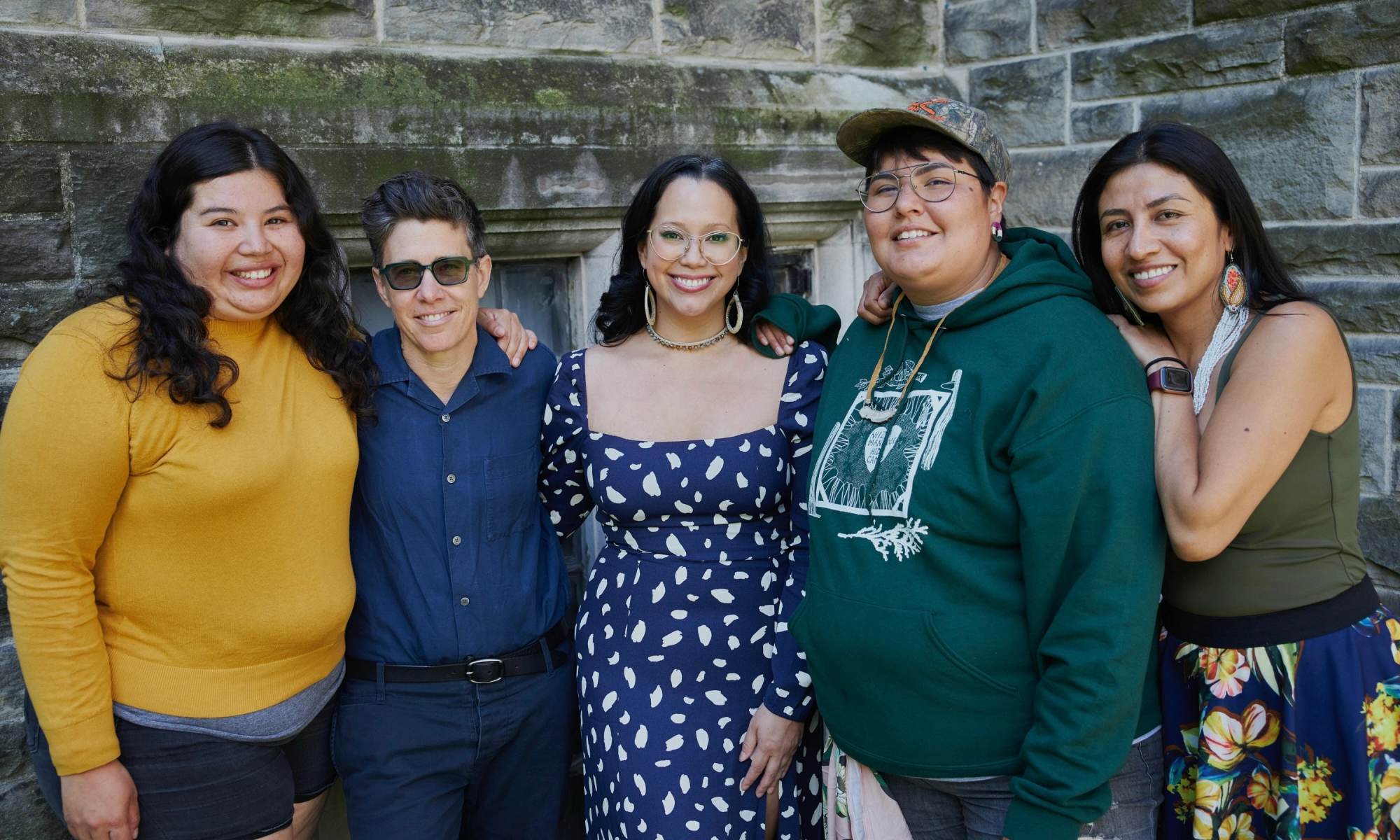
The Technoscience Research Unit at the University of Toronto is an Indigenous-led home for critical and creative research on the science, technology, and environment. The TRU draws together social justice approaches and community-based methods to Science and Technology Studies with an emphasis on Indigenous, feminist, queer, environmental, anti-racist and anti-colonial scholarship. The TRU is located at 700 University Avenue, and is connected to the School of Environment. The TRU had its start in the Women and Gender Studies Institute and a previous home at the KMDI in the Faculty of Information.
The TRU membership is composed of graduate students, postdoctoral fellows, research fellows, community members, and faculty. It hosts the Environmental Data Justice Lab and the Indigenous Science and Ethnical Substance Lab, as well as the Indigenous Science, Technology, and Environment Studies Research Hub. We annually organize the public-facing Technoscience Salon. We also support the editorial collective for the feminist STS journal Catalyst. The TRU is a member of the Indigelab Network. TRU members work independently on their own research, but also collaborate on shared research projects, reading and writing groups, as well as conferences and other events. The TRU was founded by co-director, M. Murphy, and Brian Beaton in 2007.
Technoscience as a term connects the study of scientific knowledge and laboratory practice with the politics of technologies and their worldly results in processes as diverse as social media, militarization, governance, and community organizing. The TRU draws from diverse fields and critical traditions in its expansive sense of technoscience studies. The TRU embraces a broad understanding of Indigenous science and technology that exceeds the definition of technoscience, and reflects the depth and breadth of Indigenous methods and knowledges.
Funding for the TRU comes from the New Frontier in Research Fund; Canada First Research Excellence Fund as part of the Acceleration Consortium, and the Canada Research Chair in Science and Technology Studies and Environmental Data Justice. Past support for the TRU has come from the Connaught Global Challenge Award, ta SSHRC Partnership Development Grant, the McConnell Foundation; the Faculty of Information, the Faculty of Arts and Science, and the Provost’s Office. We acknowledge past support from the Situating Science Network, New College, the Institute of History and Philosophy of Science and Technology, and the Institute for Science and Technology Studies at York University.
Led by M. Murphy and Kristen Bos and emphasizing training Indigenous students and community researchers, the TRU has an internationally recognized focus on Indigenous STS, Indigenous Environmental Data Justice, and Indigenous approaches to chemicals and sustainability.
Do you work in the area of technoscience and social justice and are interested in joining the TRU? Our lab includes both university and community members. Please contact the Lab Manager for an initial conversation about how your research area or project fits with the TRU mission and vision: tru.labmanager@utoronto.ca
OUR PEOPLE
Leadership and Administrative Team
-
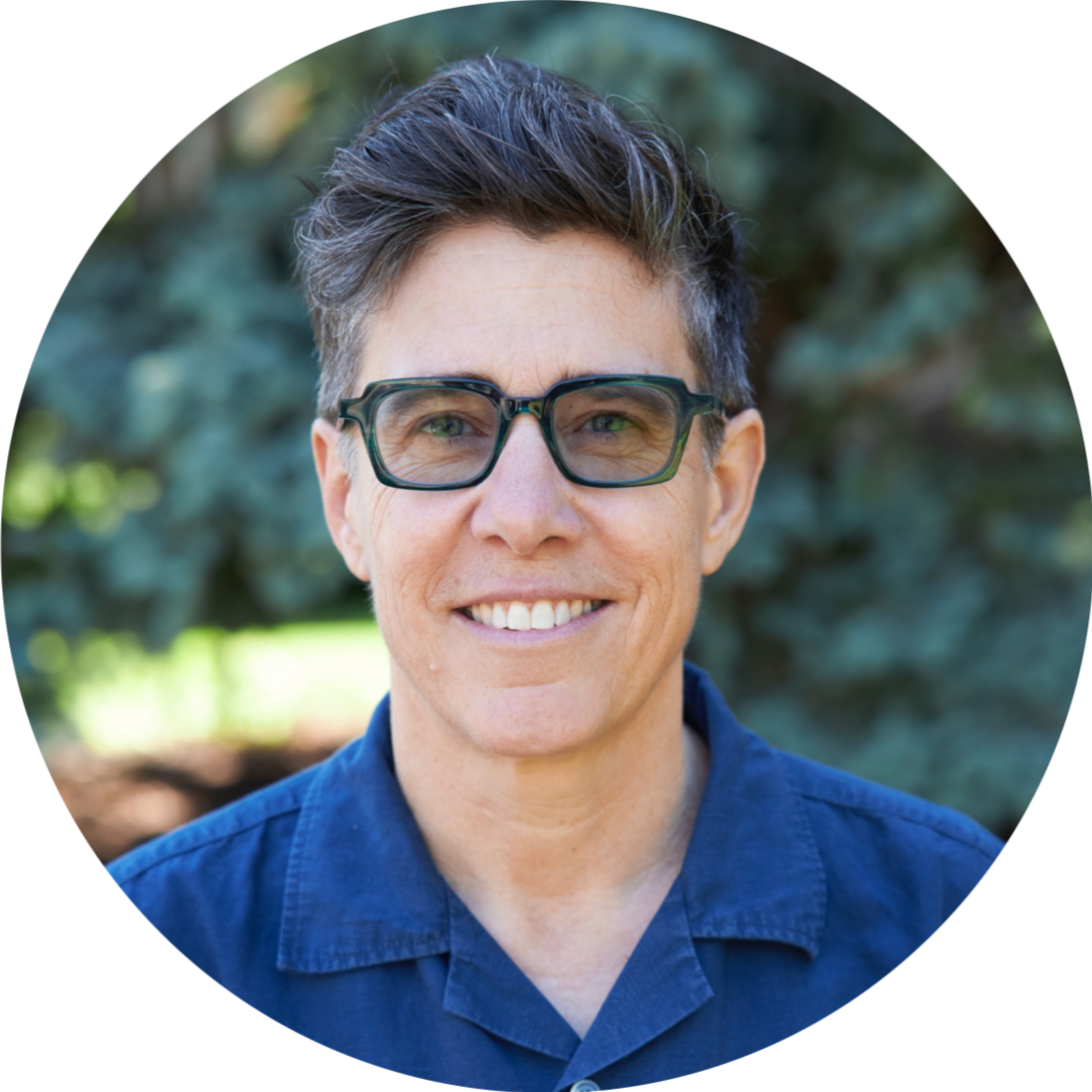
M. Murphy
CO-DIRECTOR
M Murphy (they/them) is the Co-Director of the Technoscience Research Unit. Murphy is a Red River Métis from Winnipeg and a feminist anti-colonial technoscience studies scholar with a PhD in History of Science from Harvard University. They are a Tier 1 Canada Research Chair in Science and Technology Studies and Environmental Data Justice and Professor in the School for Environment and Women and Gender Studies at the University of Toronto. They are the lead social science PI in the Acceleration Consortium CFREF project on ethical substance and automated substance discovery. Murphy’s current research is in the area of Indigenous Science and Technology Studies and environmental justice, with a particular focus on reimagining chemicals and chemical exposures, data justice, and chemical informatics. They also co-direct the Indigenous-focused Environmental Data Justice Lab at the TRU with Vanessa Gray.
-
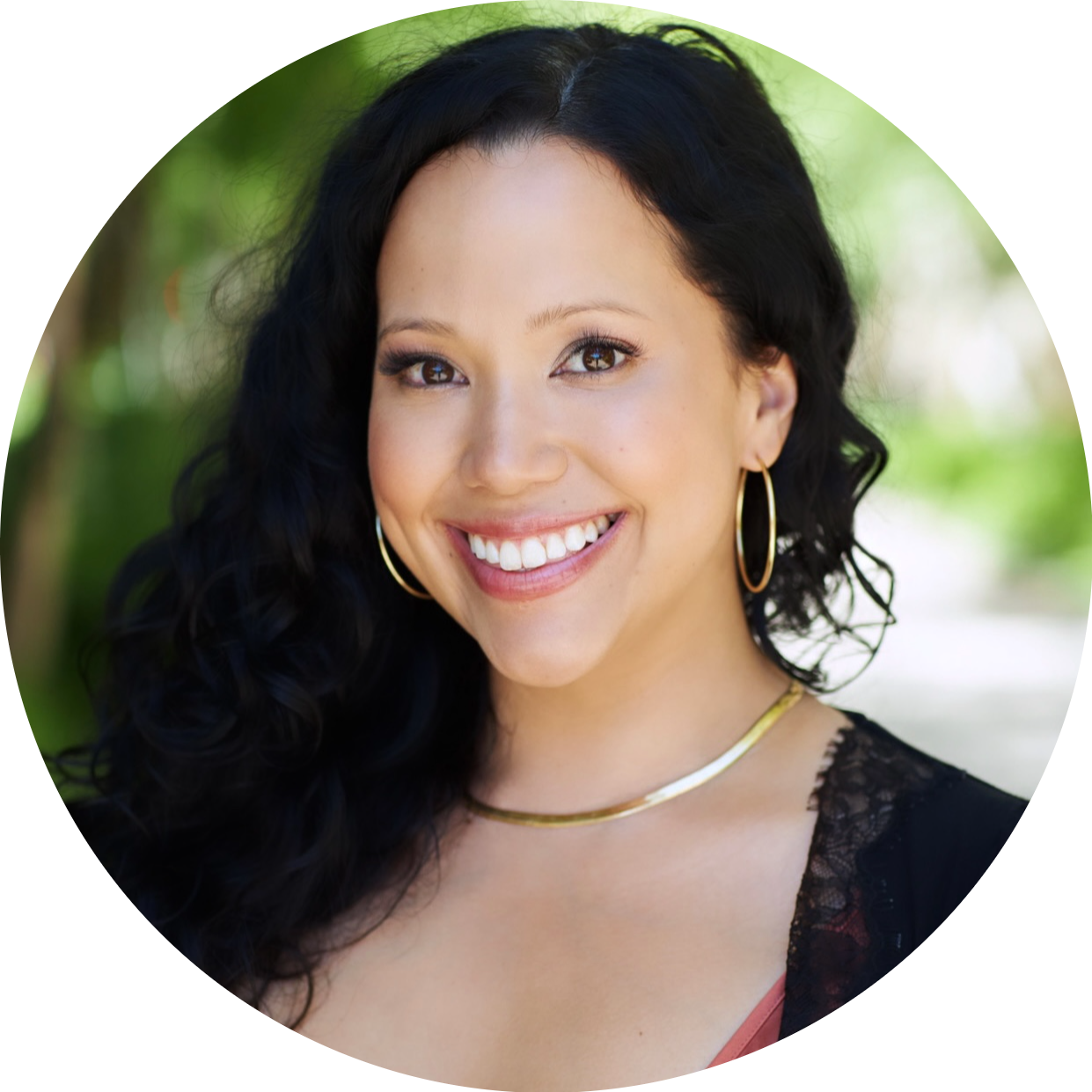
Kristen Bos
CO-DIRECTOR
Kristen Bos (she/her) is the Co-Director of the Technoscience Research Unit. Kristen is an Indigenous feminist researcher trained in archaeological approaches to material culture as well as an Indigenous science and technology studies (STS) researcher, who is concerned about the relationship between colonial, gendered, and environmental violence. She holds degrees from the University of Oxford and the University of Toronto and is currently an Assistant Professor of Indigenous Science and Technology Studies in the Historical Studies Department with a graduate appointment in Women and Gender Studies Institute at the University of Toronto. She is the author of the upcoming novel, The Interrogation Room (Alchemy by Knopf, 2026) and a citizen of the Métis Manitoba Federation.
-

Meghan Sbrocchi
DIRECTOR, ADMINISTRATION, NFRF-T
Meghan Sbrocchi (she/her) is the Director, Administration for the NFRF-T. As a Canadian settler of Italian and Eastern European ancestry, she is committed to centering Indigenous and equity denied voices through respect, collaboration, and care. Meghan brings extensive experience in higher education administration, where she focuses on building strong, supportive teams, improving everyday operations, and advancing research initiatives. Mentorship is central to her leadership, and she is passionate about creating spaces where early-career staff can grow with confidence and connection. Her contributions have been recognized through several individual and team awards for leadership and service excellence. Meghan holds a Master of Education from OISE and previously worked in administrative roles at the School of the Environment, the Department of Anthropology, and the Women & Gender Studies Institute.
-
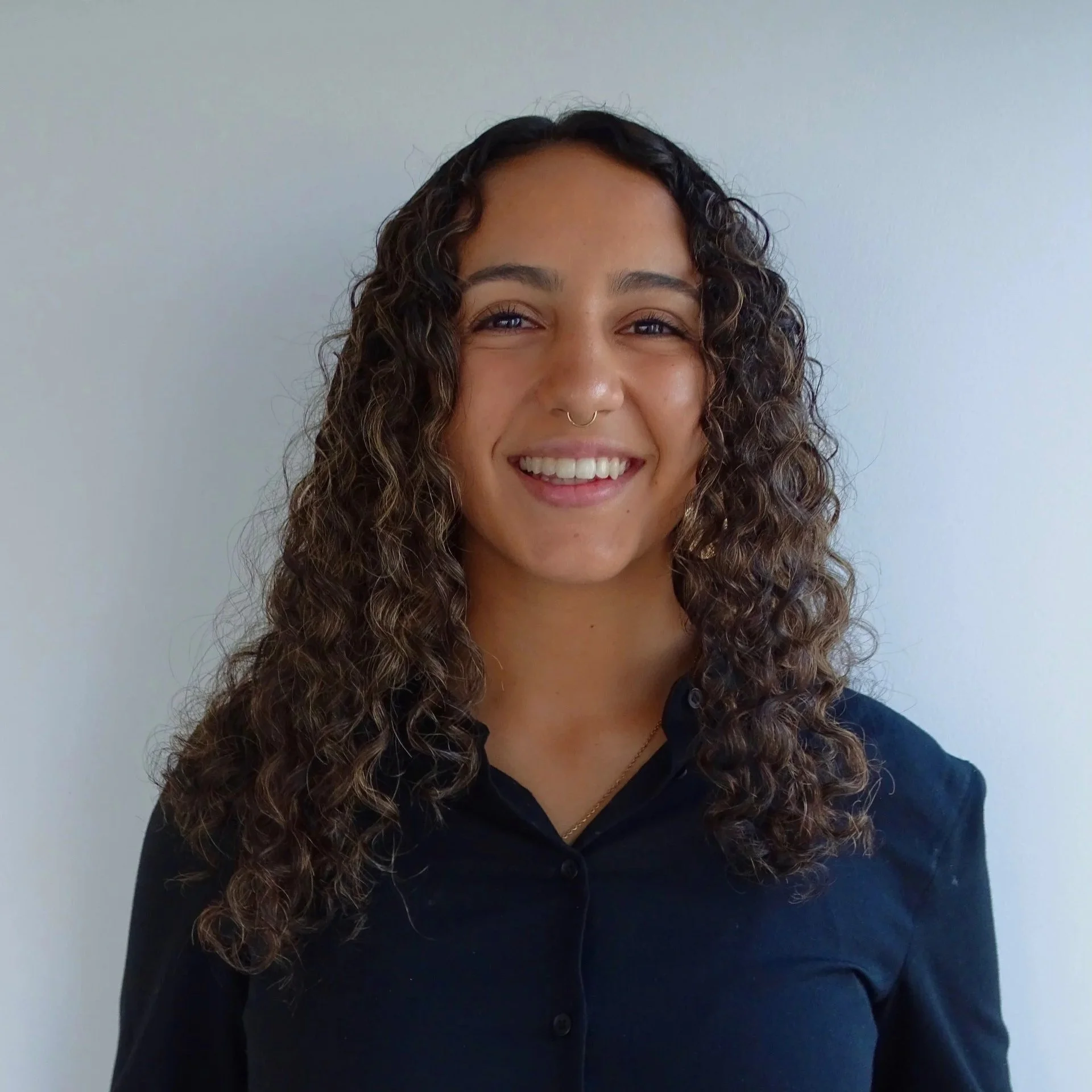
Helen Batchoun
ADMINISTRATIVE AND FINANCIAL ASSISTANT
Helen (she/her) is Administrative Assistant at the Technoscience Research Unit. She is a community facilitator, researcher, and administrator with over four years of experience working with newcomer and migrant communities in Toronto. She explores gender-based violence within migrant diasporas, using South American feminist theories and data frameworks to center women lived experiences challenging extractive institutional data practices through community-led knowledge production. She brings experience in justice-focused facilitation, community partnerships, program coordination, and research administration. Her professional experience spans settlement work, community-driven research, and sustained engagement in migrant justice and gender-based violence work.
-
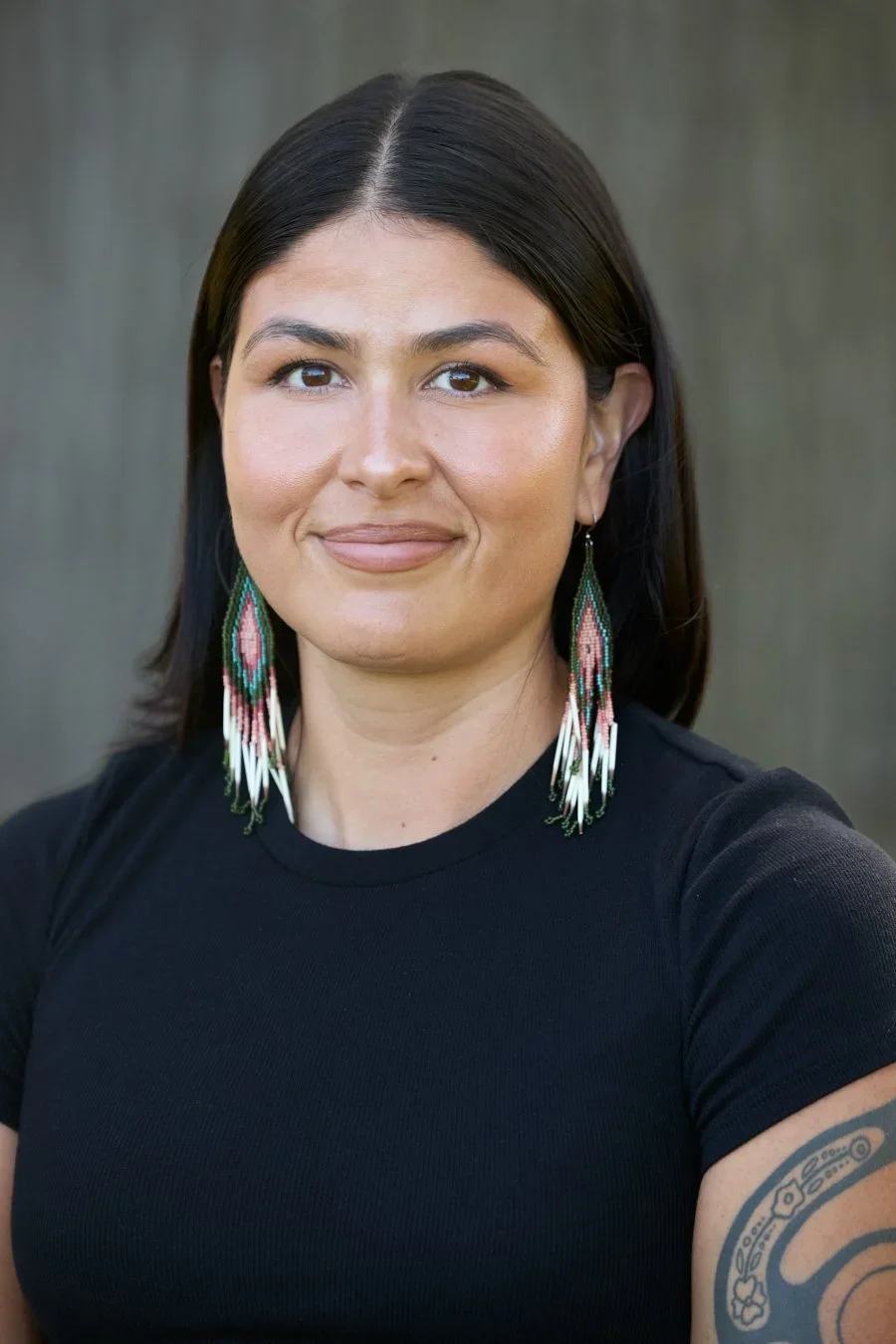
Quill Christie-Peters
MANAGER OF INDIGENOUS RESEARCH, NFRF-T
Quill Christie-Peters (she/her) is an Anishinaabe educator, author and self-taught visual artist. She is the founder and director of the Indigenous Youth Residency Program, an artist residency for Indigenous youth that engages land-based creative practices through Anishinaabe artistic methodologies. She holds a Masters degree in Indigenous Governance on Anishinaabe art-making as a process of falling in love and sits on the board of directors for Native Women in the Arts. Her written work can be found in GUTS Magazine and Tea N’ Bannock and her visual work can be found at @raunchykwe.
-
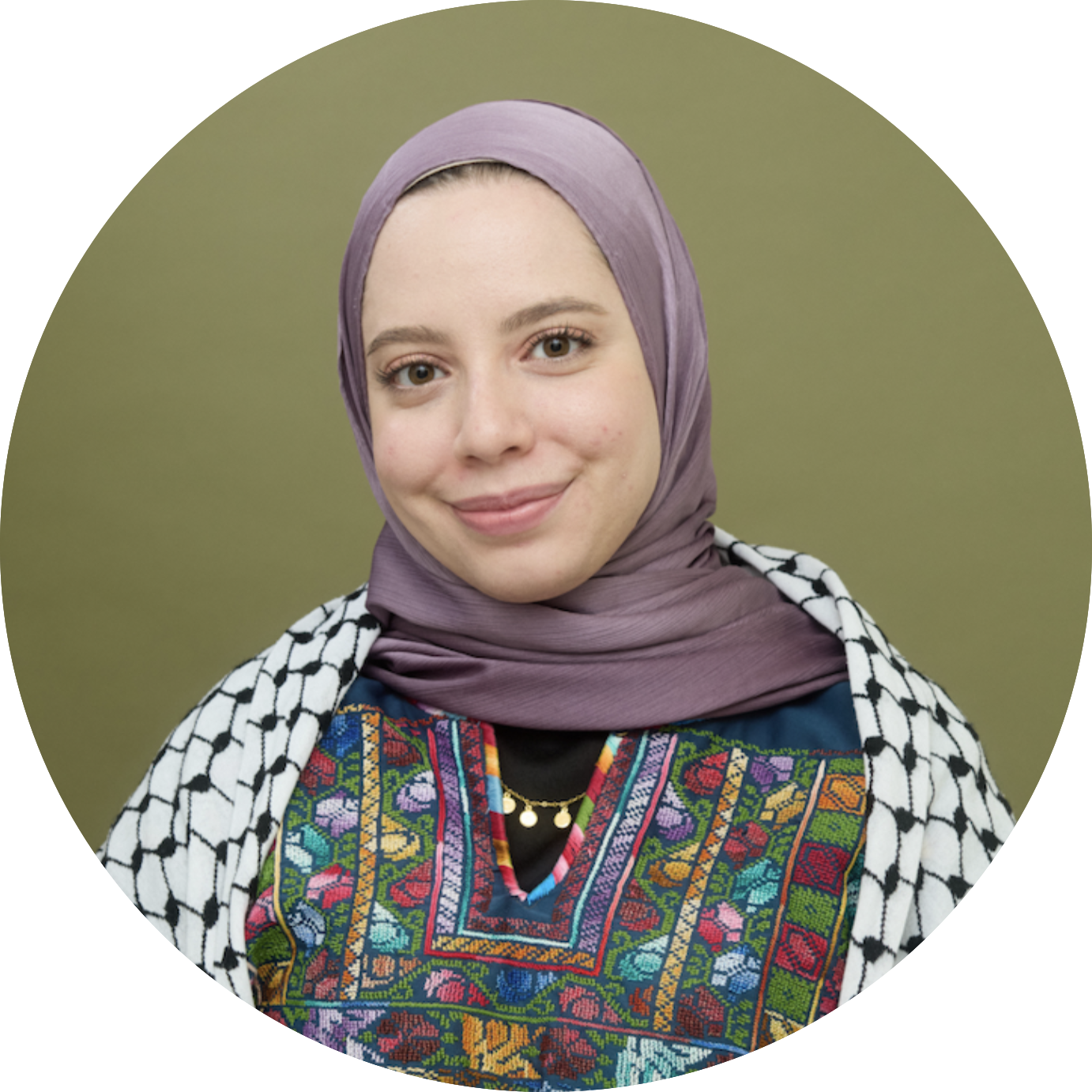
Razan Samara
LAB MANAGER (Interim)
Razan Samara (she/her) is Lab Manager (Interim) and Research Fellow at the Technoscience Research Unit. Razan is a Palestinian community worker, graduate researcher, and tatreez (Palestinian embroidery) educator. She is pursuing a PhD in Social Justice Education at the Ontario Institute for Studies in Education, University of Toronto. Razan is also a Senior Research Assistant at the Tkaronto CIRCLE Lab, a collaborative research lab based in Indigenous feminist ethics. Razan works from Indigenous epistemologies, practices, and material cultures to consider the relationships, joint resistance, and youth activism between diasporic Palestinian and Indigenous communities living and resisting together on Turtle Island.
-
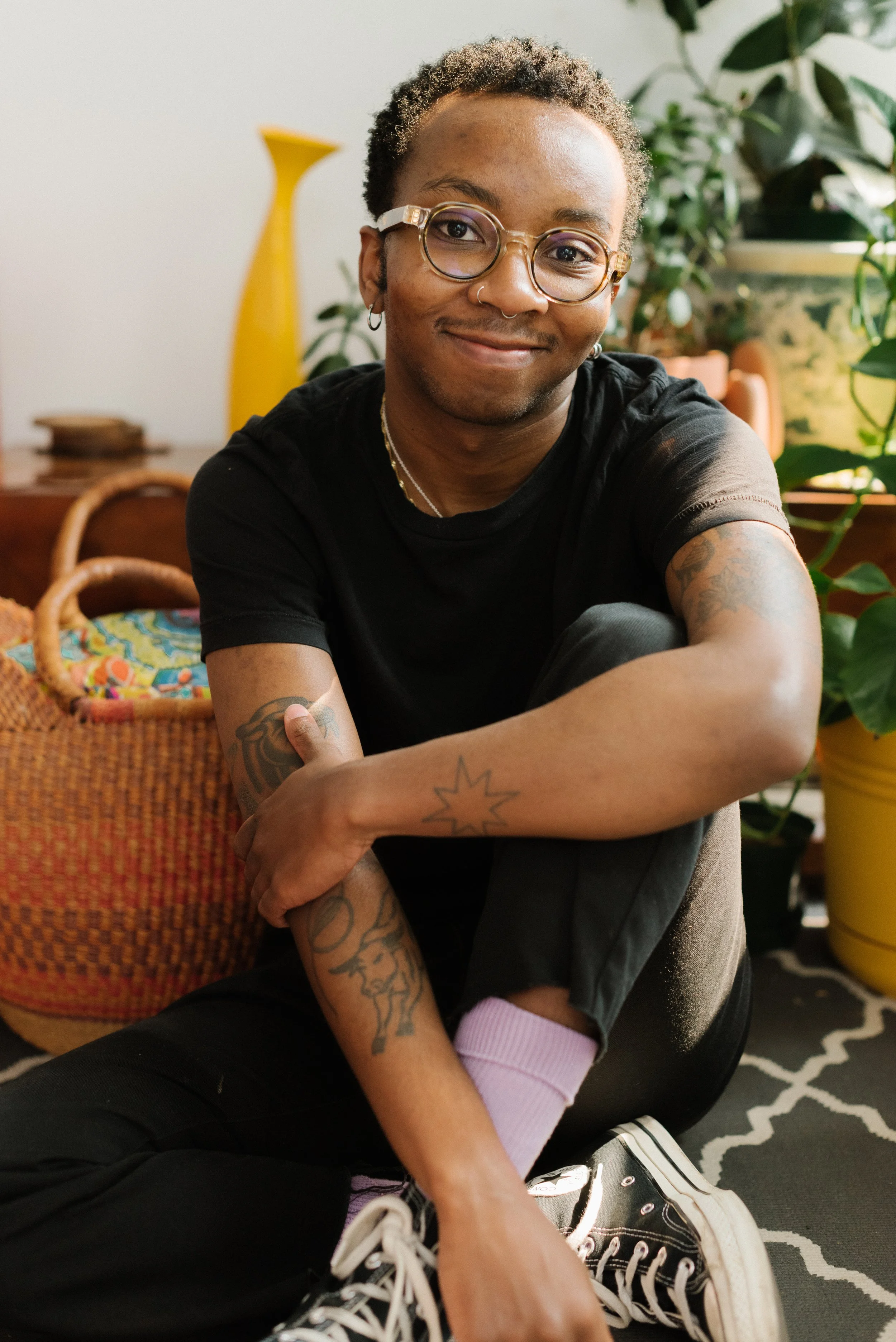
A.L. (Ayo) Gariba
COMMUNICATIONS & EVENTS COORDINATOR
A.L. (Ayo) Gariba (they/he) is a Black queer and trans visual artist, writer, researcher and award-winning filmmaker from Ghana and Lesotho and based in Toronto.
Their primary mediums include film, photography and illustration. Ayo's work centres questions of home, (in)visibility, liminality and (un)belonging as they relate to Black queer and trans* African diasporic subjectivity. He has recently begun exploring how grief shapes desire and longing and is fascinated by premonitory dreams.
Ayo has a BA and MA in Women and Gender Studies from the University of Toronto, where his research analyzed how Black queer and trans diasporic artistic and cultural production provides roadmaps for alternative understandings of home, belonging, kinship and return.
Photo by Sarah Bodri
Research Team
-
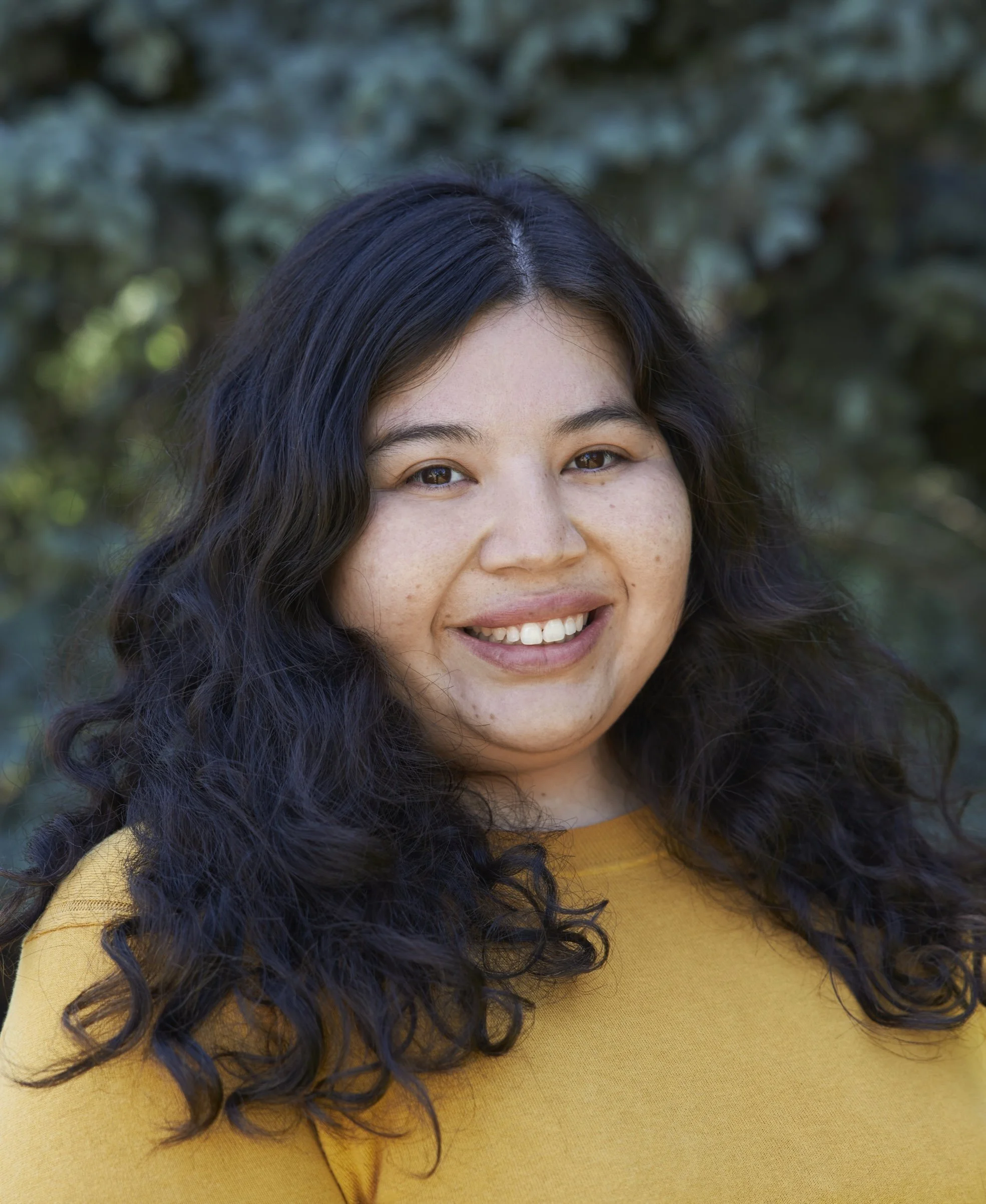
Vanessa Gray
CO-DIRECTOR OF THE ENVIRONMENTAL DATA JUSTICE LAB
Vanessa Gray (she/her) is Co-Director of the Environmental Data Justice Lab at the Technoscience Research Unit. She is an Anishnaabe kwe from Aamjiwnaang First Nation in Canada’s Chemical Valley. She is a long time advocate and educator of connecting Indigenous rights to Health and Environmental Protection. Her experience growing up in an Indigenous community surrounded by petrochemical facilities has led to her grassroots organizing including teach-ins, rallies, blockades, and direct action against companies and projects infringing on traditional and inherent rights. She firmly stands in solidarity with many communities and nations faced with similar struggles. She is co-founder of ASAP- Aamjiwnaang & Sarnia Against Pipelines, an Indigenous grassroots led group that organizes Toxic Tours, leading water ceremonies, and presentations on Environmental Racism in Canada.
-
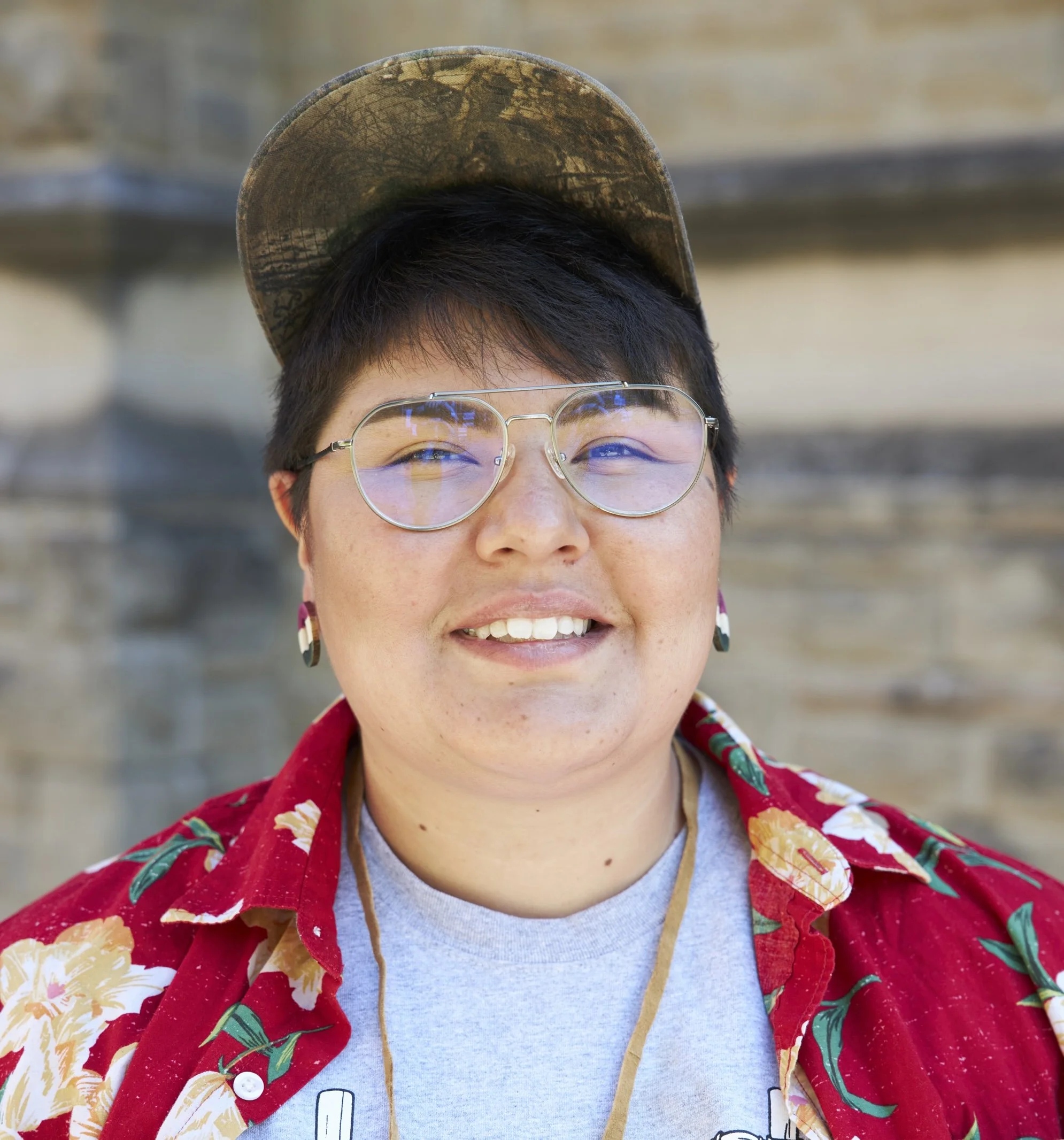
Beze Gray
COMMUNITY RESEARCHER
Beze Gray (they/them) is a Community Researcher of the Environmental Data Justice Lab at the Technoscience Research Unit. Beze is a two-spirit Anishnaabe, Delaware, and Oneida from Aamjiwnaang First Nation, treaty #29 territory. Beze is also a Youth Coordinator of the Niizh Manidook Hide Camp and one of the Producers of a grassroots documentary from the Kiijig Collective. Beze is a member of the Jiibwaabiigamowag Young Peoples Council (Aamjiwnaang Youth Council) and Co-founder of Aamjiwnaang and Sarnia Against Pipelines. Beze is a grassroots organizer, and has organized cultural and environmental gatherings and actions, including Toxic Tours, Niizh Manidook Hide Camp, and Aamjiwnaang Water Gathering. They focus on re-telling their experience of living in Canada’s Chemical Valley and promoting Indigenous culture/ language resurgence. Beze also practices Anishnaabemowin, sugar bushing, hide tanning, seed saving, and structure making
-
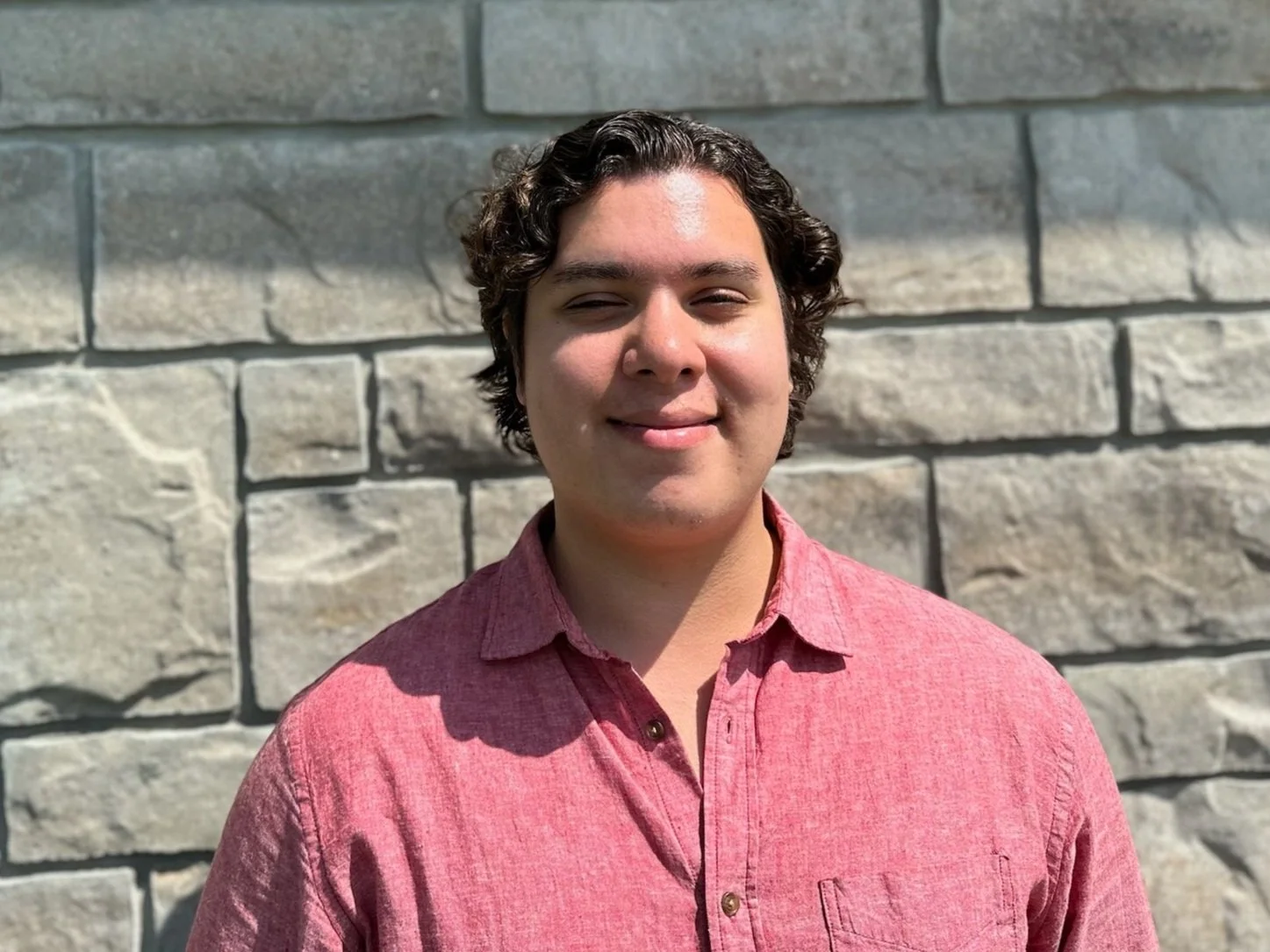
Joel Piché
LAB ASSISTANT
Joel Piché (he/him) is a Lab Assistant with the Environmental Data Justice Lab at the Technoscience Research Unit, as well as Academic Advisor for Aamjiwnaang First Nation. Joel is from Aamjiwnaang First Nation. He has a degree in accounting from Western University and is passionate about using data and research to help his community prosper.
-
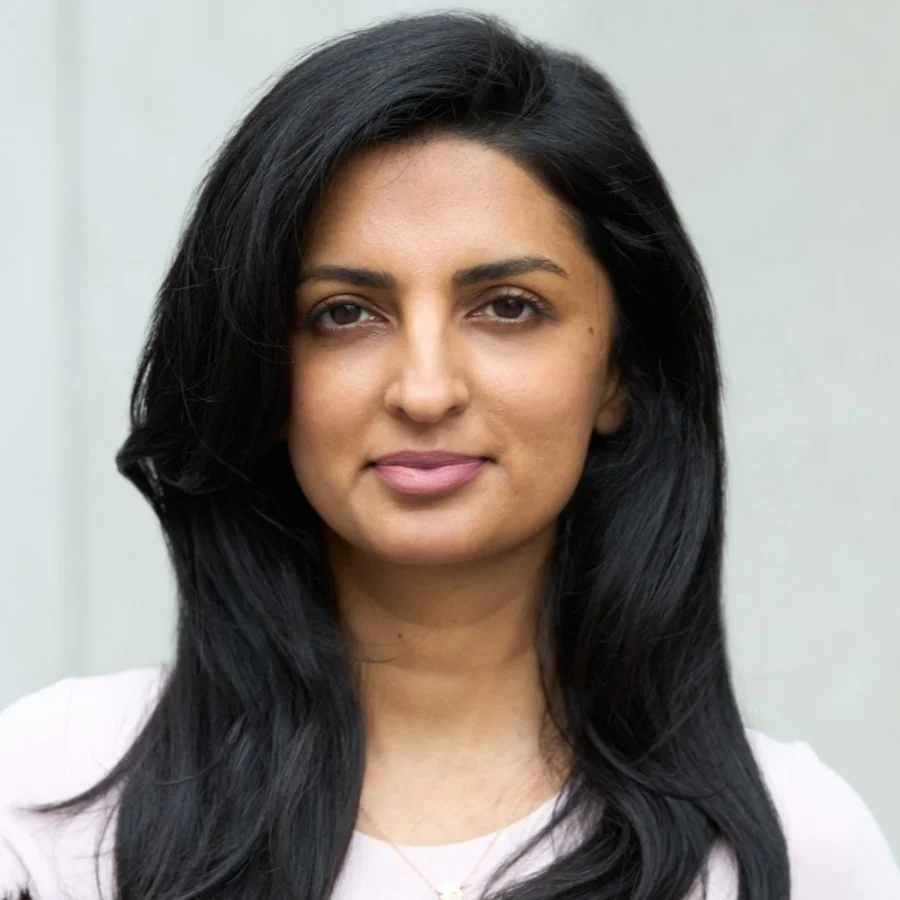
Reena Shadaan
STAFF RESEARCH SCHOLAR
Dr. Reena Shadaan (she/her) is the Staff Research Scholar in STS and Sustainability at the Technoscience Research Unit and Acceleration Consortium as well as an affiliate faculty member at the Women and Gender Studies Institute (WGSI) at the University of Toronto. Shadaan is an award-winning community-based and justice-oriented researcher with a PhD in Environmental Studies (York University) and an MA in Gender Studies and Feminist Research (McMaster University). Her work intersects environmental, occupational, and reproductive justice and focuses on community-defined embodied and experiential knowledges. To date, Shadaan’s focus has spanned various sites of chemical violence and resistance – from Bhopal, India (site of the Bhopal gas disaster) to Canada’s “Chemical Valley” and to Greater Toronto Area-based nail salons.
-
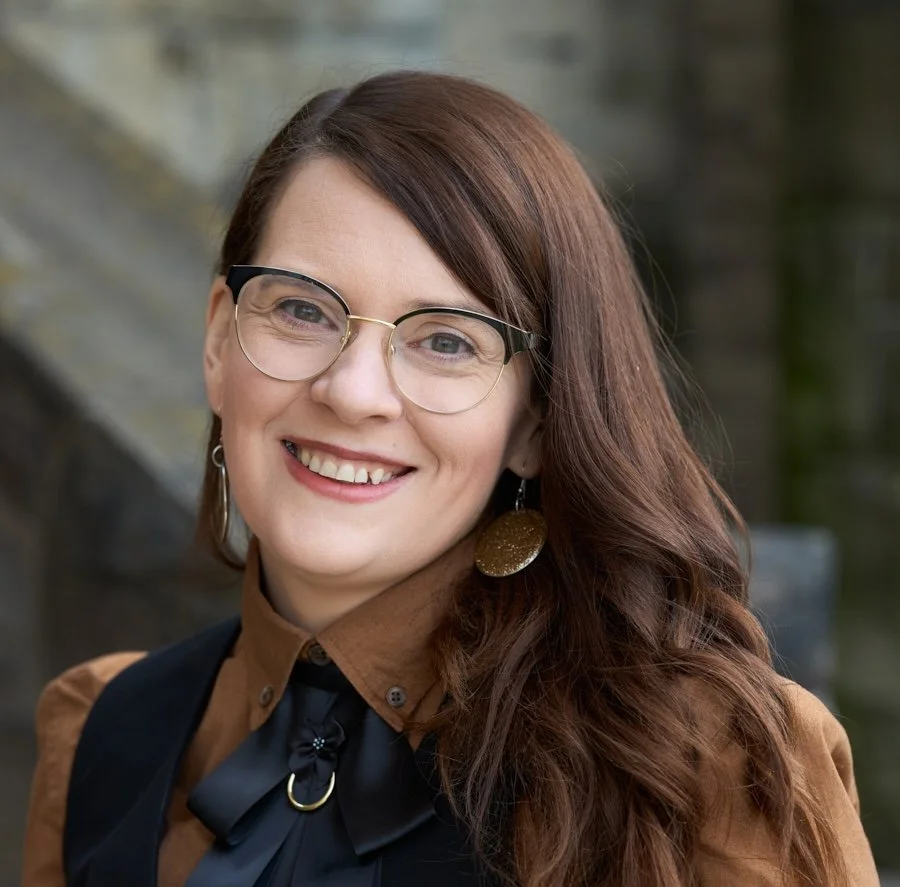
Erin Konsmo
STAFF RESEARCH SCHOLAR
Erin Konsmo (they/she) is a Staff Research Scholar in Indigenous Science, Technology and Environment at the Technoscience Research Unit and Acceleration Consortium. Erin is an Alberta-raised Métis (citizen of the Manitoba Métis Federation and registered Métis harvester) fisher, mixed-media artist and scholar. With a background in environmental studies, Erin's research interests include climate justice, Indigenous harvesting practices, fishing, arts-based methodologies, feminist and queer theories, and politicized healing and embodiment. Their arts practice currently focuses on fish scale art, a land-based arts practice that includes harvesting fish, processing and cleaning the scales, as well as the vertebrae and bones to create intricate florals. Erin is also a somatic practitioner and educator in climate and social justice movement spaces and believes in the body as a place for transformation towards what we care about.
-
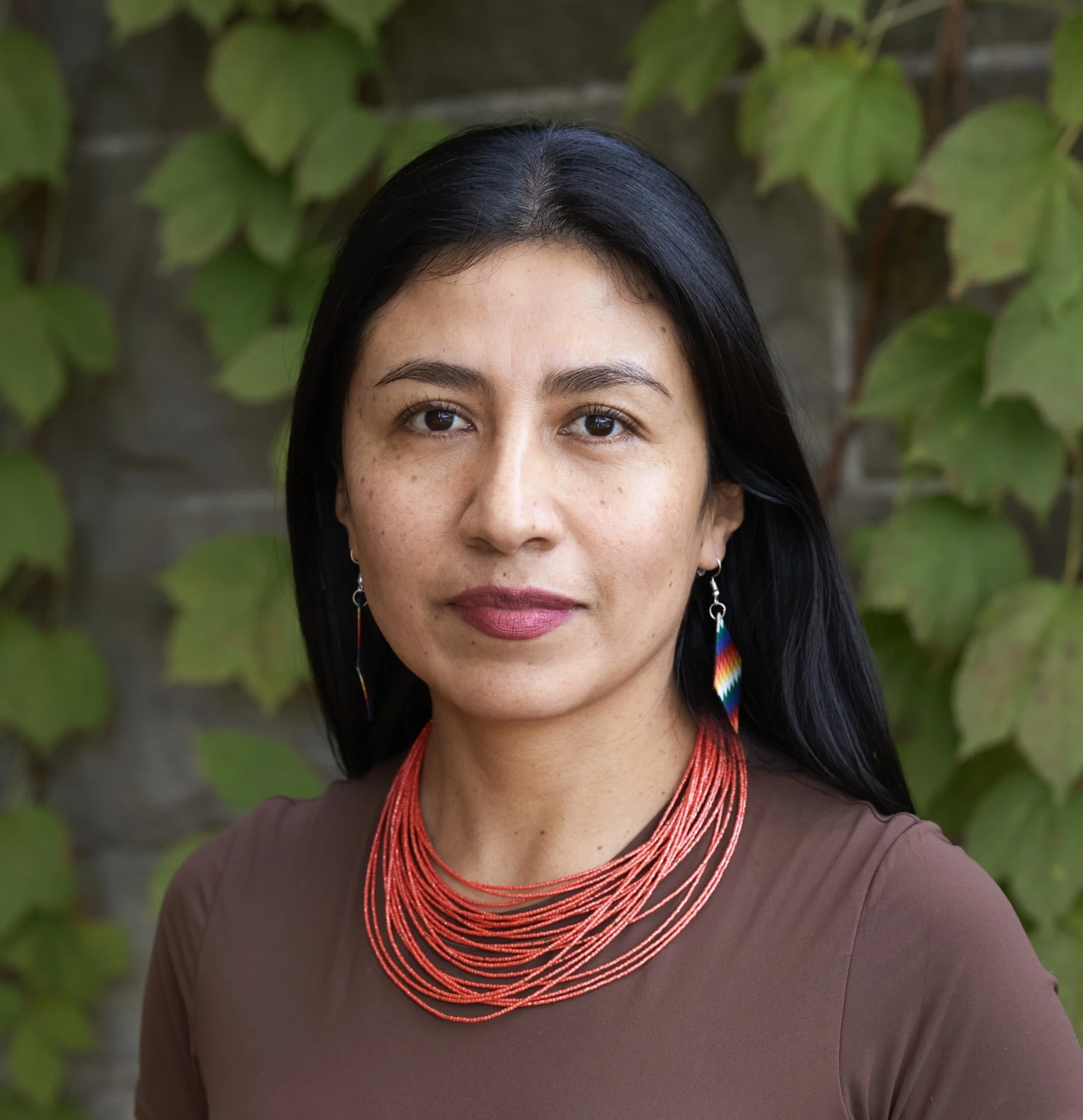
M. Fernanda Yanchapaxi
POSTDOCTORAL FELLOW
M. Fernanda Yanchapaxi (she/her) is a Kichwa/Mestiza Postdoctoral Fellow in the Indigenous Science and Ethical Substance Lab and Lead Researcher for the Beyond Open Science: Indigenous Data Sovereignty research project. Her research reaches across Indigenous Data Sovereignty and Governance, intellectual property, research methodologies, and data ethics. Grounded in Indigenous feminist and anti-colonial STS theories, approaches, and practices, she examines how governance is enacted through research and data systems. Her current projects focus on Indigenous data governance curriculum development, arts-based pedagogies, ethical and accountable research practices, and the governance implications in AI, open science, and computational research infrastructures.
-
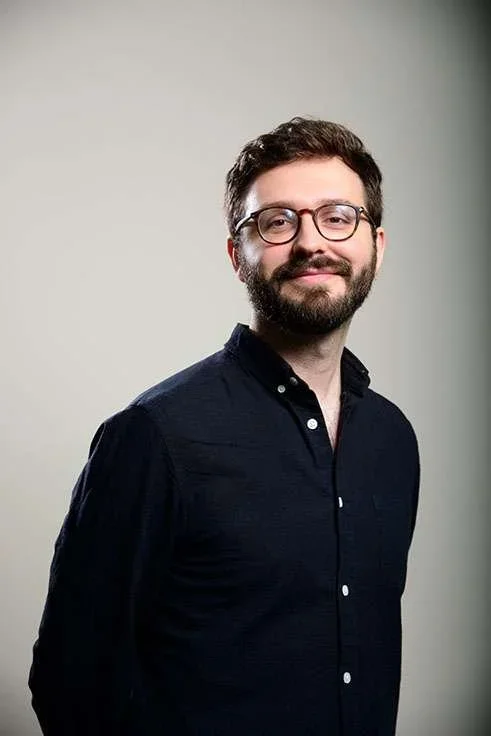
Alex Rewegan
POSTDOCTORAL FELLOW
Alex Rewegan (he/him) is a cultural anthropologist and Postdoctoral Fellow in the Indigenous Science and Ethical Substance lab. Using ethnographic methods, Alex studies the relationship between technoscientific innovation, agriculture, and emerging forms of surveillance and extraction across food and drug cultivation ecologies. At the TRU, he works on the Weaponization, Justice, and Self-Driving Labs project in collaboration with the Acceleration Consortium, examining the politics and potentials of the rapid development of new fertilizer, pesticide, and pharmaceutical chemicals. His most recent work features critical analyses of the global War on Drugs and its entanglement with new technologies of crop management, bio-surveillance, and the health sciences through fieldwork with farmworkers and drug-plant cultivators. He holds a Ph.D. from the program in History, Anthropology, and Science, Technology, and Society (HASTS) at MIT, and an M.A. in Social Anthropology from York University, Toronto. -
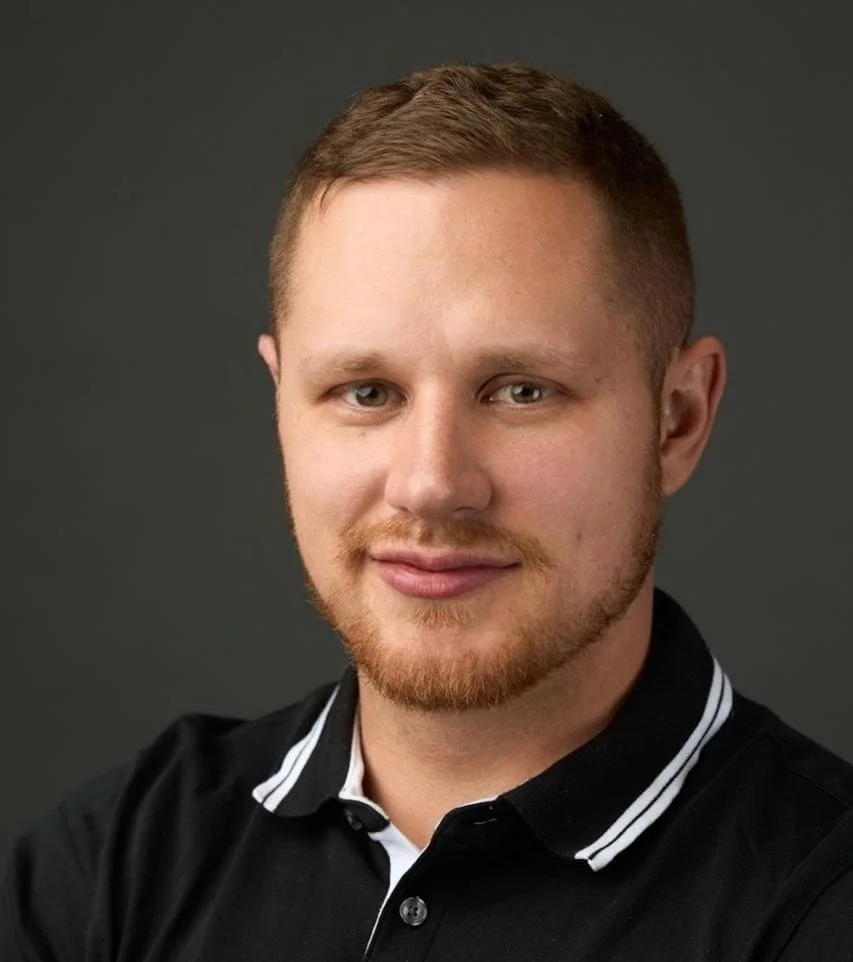
Andrew Wiebe
RESEARCH FELLOW
Andrew Wiebe (he/them) is a Research Fellow with the Technoscience Research Unit. Andrew is a Two-Spirit (Red River Michif) PhD student at the Faculty of Information. He thinks about how beavers may inspire ways of building Indigenous and Queer stories into traditional archival & data practices. The beaver offers a relational imagination of how to build Indigenous memory into institutions by being attentive to how dam-building regenerates ecosystems while selecting what is destroyed. Building a dam in the archive involves forming a structured space of diplomacy between these two worlds, where Indigenous Knowledge can structurally coexist with traditional archival practice. Andrew’s research is supported by the TRU’s research objectives and core values.
-
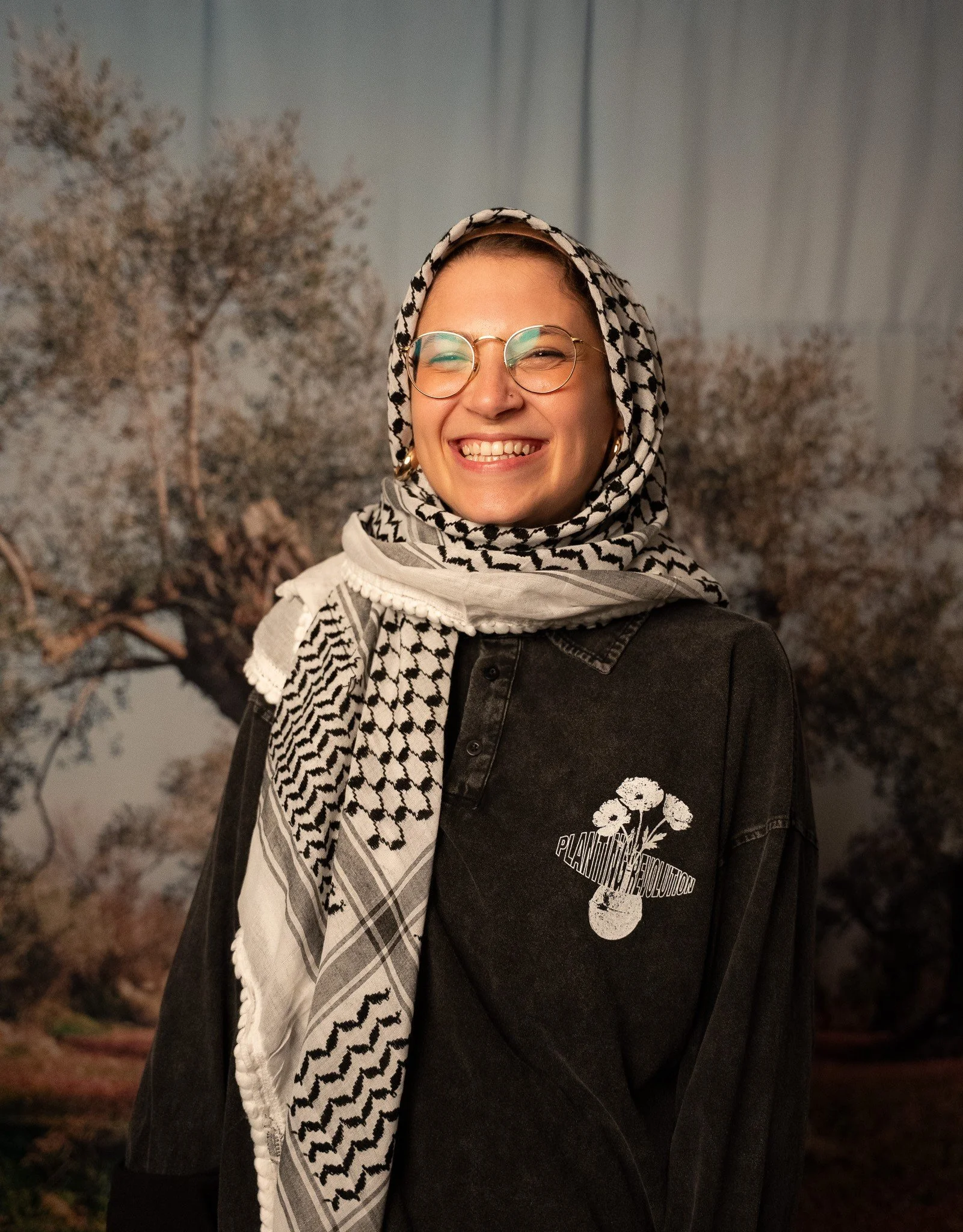
Maysam Ghani
RESEARCH FELLOW
Maysam Ghani is a Palestinian educator, grassroots organizer and poet based in Toronto. Currently, she is committed to joint struggle in practice and relationship through the building of alliances between groups working across Indigenous, Black, and anti-colonial struggles. She is pursuing a master's degree in Social Justice Education at the Ontario Institute for Studies in Education (OISE), University of Toronto. She holds a BA in Global Development Studies and a Bachelor of Education degree with a teaching specializations in First Nations, Métis, and Inuit studies, as well as History. In her research, she is interested in the intersections of counterinsurgency, cultural resistance, popular poetry and popular education rooted in a long lineage of Palestinian resistance culture. As a secondary school teacher and workshop facilitator, Maysam is committed to radical and abolitionist approaches to teaching and co-creating critical learning communities with young people. -
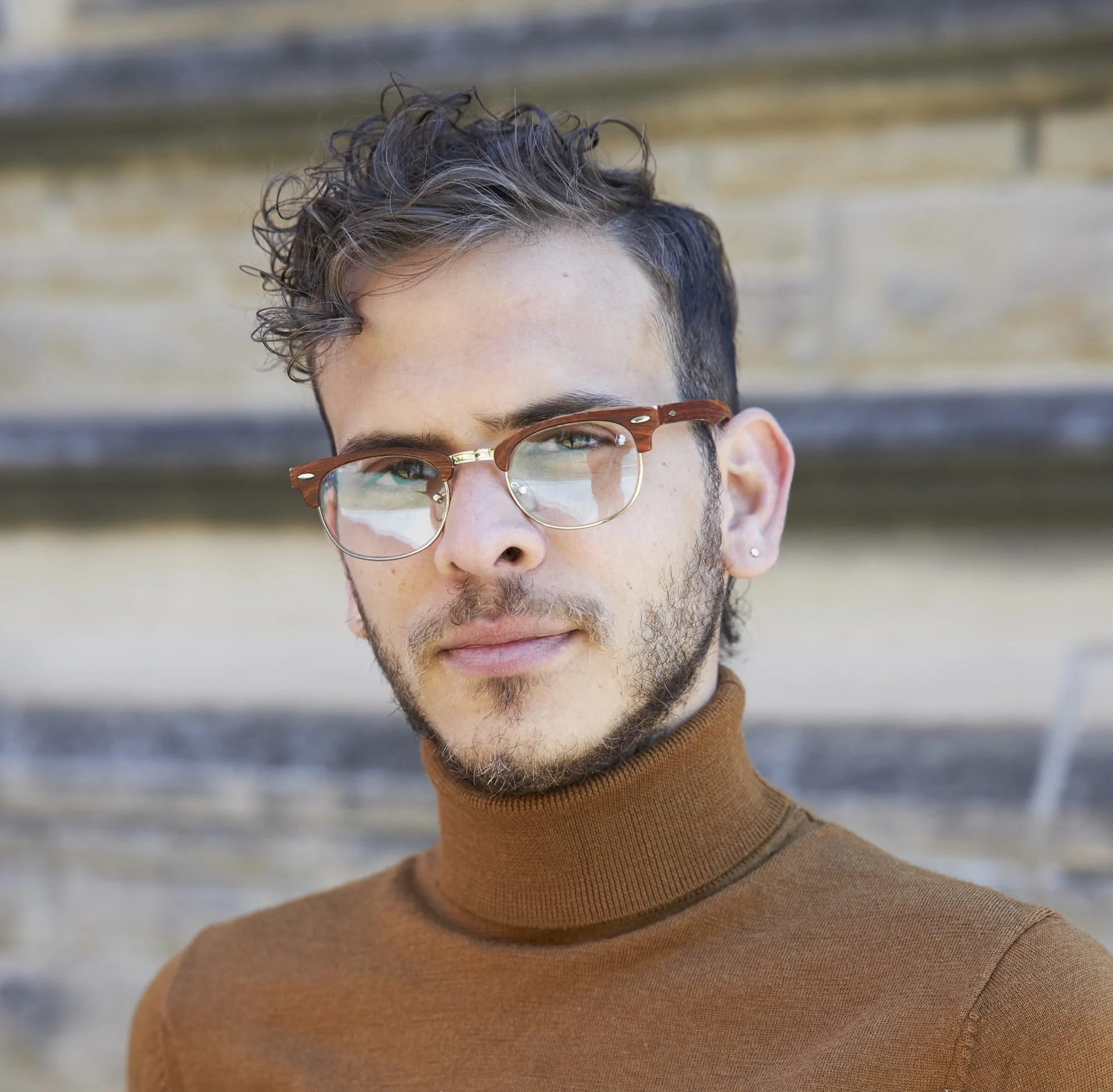
Vanbasten de Araújo
RESEARCH FELLOW
Vanbasten de Araújo (they/them) is a Research Fellow with the Technoscience Research Unit since 2020. de Araújo is a Brazilian scholar interested in decolonial science and technology studies in Latin America, especially in Brazil. They have a BA in International Relations from the University of Brasília in Brazil and an MA (High Honors) in Critical Gender Studies from the Central European University in Vienna, Austria. As a PhD Candidate at the Women and Gender Studies Institute at the University of Toronto, de Araújo researches chemical exposure related to agricultural and public health policies in 20th-century Brazil. In their dissertation, they are interested in connecting state-sponsored chemical exposure to eugenics ideologies in the country. de Araújo’s research is supported by the University of Toronto School of Graduate Studies, the Connaught Scholarship, and the Ontario Graduate Scholarship.
-
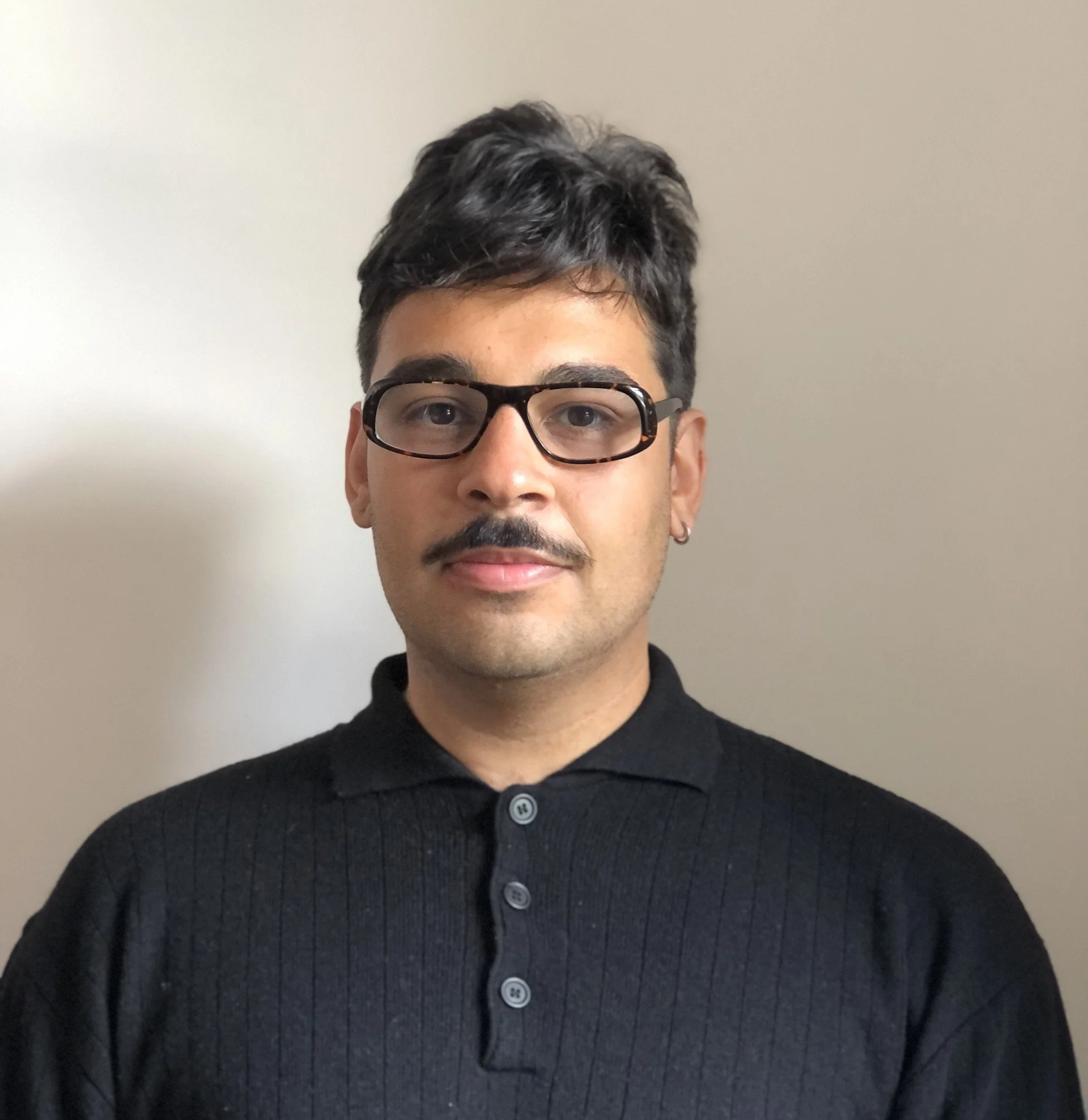
Sajdeep Soomal
RESEARCH FELLOW
Sajdeep Soomal is a Research Fellow with the Technoscience Research Unit and a PhD candidate in the Department of History at the University of Toronto. His research examines how chemical ideas and practices have influenced colonial political economies. His dissertation project, The Chemicalization of Substance, argues that modern chemistry transformed the tactics and techniques of 19th-century Canadian settler colonial governance. He introduces the concept of “chemical governmentality” to reveal that Canada’s staples economy increasingly relied on chemistry to commodify lumber, grain, oil and gas, and critical minerals by the turn of the twentieth century and to argue that chemical operations—from dissolution to catalysis—transited beyond the laboratory, generating novel tactics of socio-political governance. Sajdeep works on related curatorial projects about the politics of chemical visualization with artists who are re-imagining, playing with and altering our synthetic surround. He has recently conducted research and curatorial projects for the Royal Ontario Museum (ROM), Montreal Museum of Fine Arts (MMFA), and The Reach Gallery Museum and served as a board member of InterAccess.
-
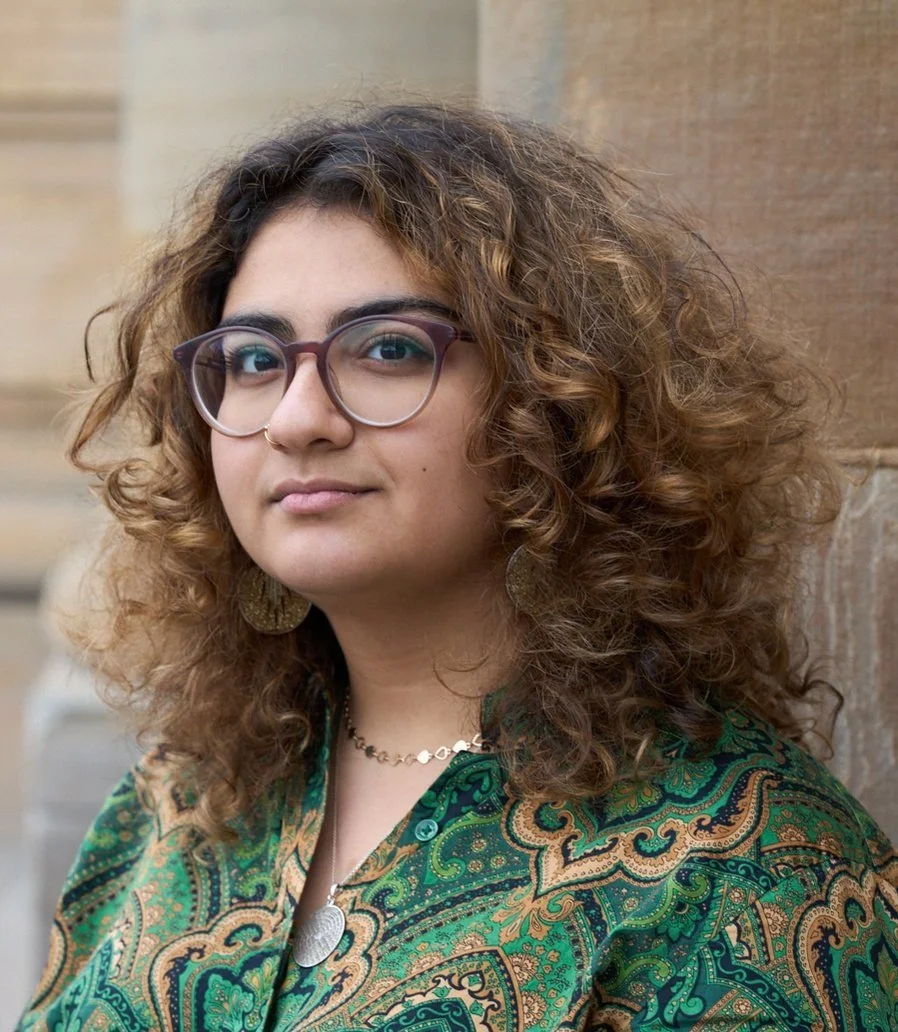
Layla El-Dakhakhni
Layla El-Dakhakhni (she/he) is a Research Assistant with the Technoscience Research Unit. She is an Environmental Chemistry undergraduate at the University of Toronto with minors in the History & Philosophy of Science and Women & Gender Studies. Layla is a recipient of the University of Toronto Excellence Award and has held research positions at the CLEAR Lab and the Centre for Global Change Science. At U of T, Layla founded and directs the Liberation Lab, an organization for STEM students marginalized by global power structures to alchemize and remix scientific and liberatory methodologies. For more information on the Liberation Lab, visit: www.instagram.com/liberationlabuoft
-
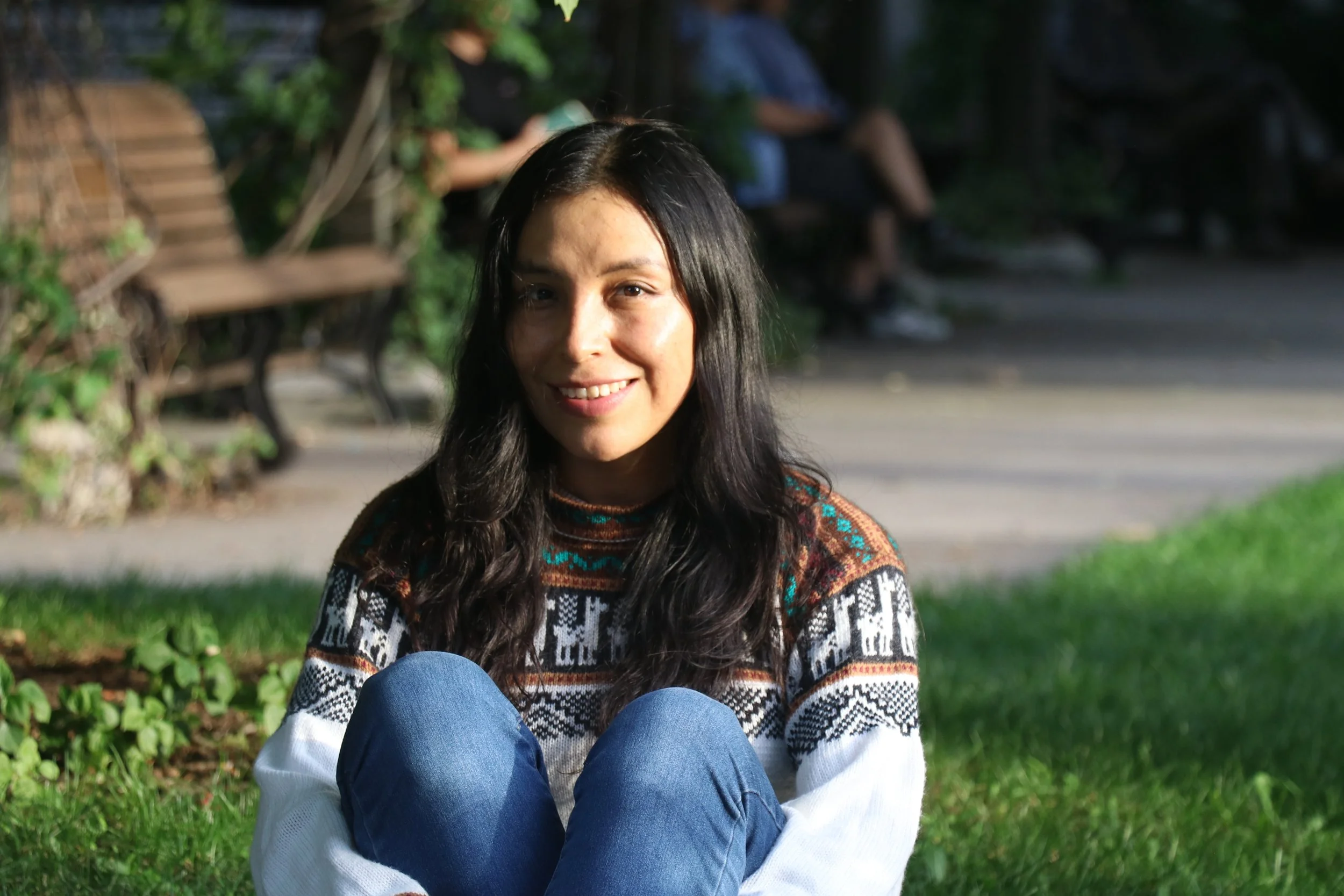
Yojana Miraya Oscco
RESEARCH ASSISTANT
Yojana Miraya Oscco (she/her) is a Research Assistant at the Technoscience Research Unit. Her research explores the erosion of Andean Indigenous institutions by extractive mining corporations and how Andean communities resist these forces through their traditional institutions and community organization. Yojana’s academic interests encompass Indigenous Politics, Environmental Justice, and Mining Extractivism. Yojana holds a Bachelor's degree in Geography from Universidad Nacional Mayor de San Marcos, Peru, and a Master’s in Environment and Community from California State Polytechnic University, Humboldt. She is from a Quechua community in Peru and has taught the Quechua language as a Teaching Assistant at the University of Toronto. Yojana is also a founding member of Kuskalla Abya Yala, a grassroots organization focused on revitalizing native languages, culture, and Indigenous politics, as well as fostering solidarity networks across global Indigenous communities. -
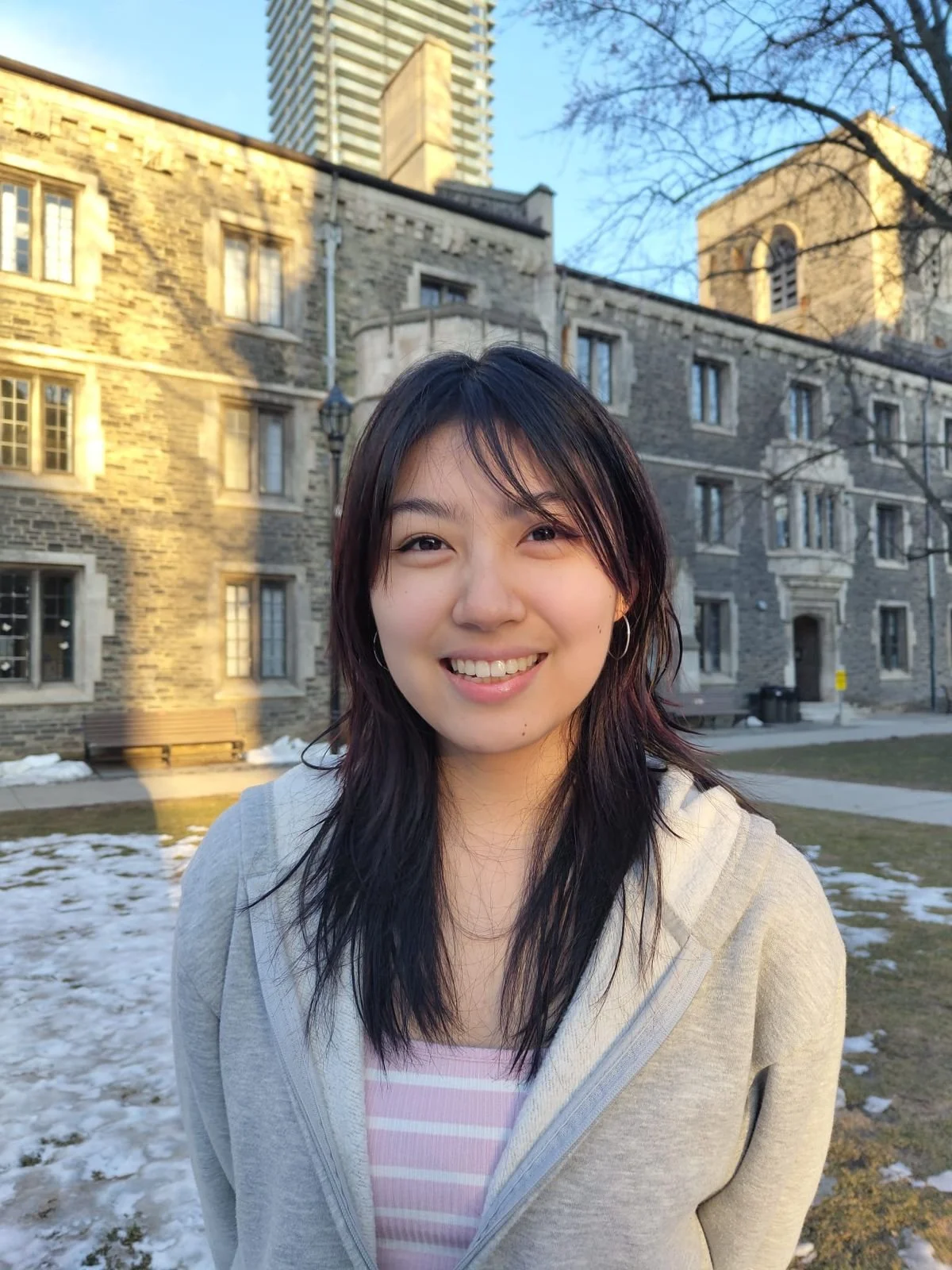
Amanda Meng
RESEARCH ASSISTANT
Amanda Meng (they/she) is a Research Assistant with the Technoscience Research Unit and a recipient of the University of Toronto Research Excellence Award. They are an organizer with ClimateJusticeUofT (CJUofT), and an undergraduate student double majoring in Environmental Science and Peace, Conflict & Justice.
At CJUofT they lead the media committee and #MiningJustice Campaign. They see art as central to social movements, challenging bordered imaginations and moving communities to create a healthy, safe, and just reality. They are passionate about Indigenous sovereignty and self-determination, just food systems, feminist political ecology, and critical political economy. As an intern at The School of Cities UDSC program, they are interested in approaching data science through a decolonial and critical framework. Amanda also organizes with DigIn! Campus Agriculture, FoodNotBombs, and Grassy Narrows Solidarity.
General Members
-
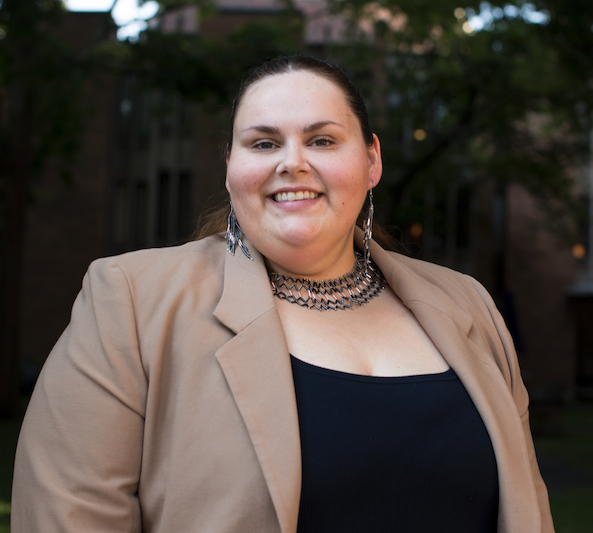
Raylene Mitchell
Raylene Mitchell (she/her) is a PhD Student in Mechanical and Industrial Engineering at the University of Toronto. She researches energy storage and carbon capture solutions for remote communities in northern Canada. An Inuk engineer from Labrador, she is committed to advancing technologies that support Indigenous energy sovereignty and climate resilience. In addition, Raylene is the co-chair for SevenGen Energy, a national Indigenous youth council committed to bringing together a network of youth across Turtle Island with careers and interest in clean energy. Raylene’s work bridges engineering, community priorities, and technology, emphasizing that being an engineer and being Indigenous are complementary, not competing, identities.
-
Grayson Lee
Grayson Lee (he/him) is a doctoral candidate in the Faculty of Information at the University of Toronto. His research approaches topics in Transpacific studies, the Cold War in Asia, the South Korean (digital) culture industry, and legacies of colonialism. His dissertation research is on the "K-Cop Wave," a South Korean state project aimed at promoting and developing South Korea’s global police technology industry. Outside of the academy, he is a digital collage artist and also a member of Heung Coalition, a collective working to (re)define and complicate the narratives of Korea(nness) as an act of resistance against state violence and imperialism.
Affiliates
-
Sarandha Jain
Sarandha Jain is a Postdoctoral Fellow at the University of Toronto in the Department of Anthropology and the Institute for Environment, Conservation, and Sustainability, with an affiliation to the Ethnography Lab. Her work studies how the energy regime of oil mediates the relationship between the Indian state and citizens. She investigates how a regime of chemical governance encode sociopolitical possibilities into petroleum products, how they play out and are also distorted during distribution and consumption, and how this determines state-citizen relations. Sarandha holds a PhD from the Department of Anthropology at Columbia University (New York) and completed a Postdoctoral Fellowship at The New School. -
Johannes Chan
Johannes Chan (any/all) is a PhD candidate in the Department of Science & Technology Studies at York University, writing about the history of watermill infrastructure in long 19th century Ontario. Their dissertation project, The Metabolism of Empire, attempts to re-understand 19th century hydro infrastructure within contexts of British colonialism, empire, and the emerging science of metabolism. This work traces the many ways energy infrastructure under racial capitalism was connected to military supply chains, chemical knowledge production, and unprecedented environmental transformations. Their research has been supported by the Ontario Graduate Scholarship (2022 - 2024) and the SSHRC Doctoral Scholarship (2024-2026). n goes here -
Patrick Keilty
Patrick Keilty is Associate Professor in the Faculty of Information and Cinema Studies Institute at the University of Toronto. Professor Keilty's research interests focus on the politics of digital infrastructures in the sex industries, adult film, and the materiality of media. His research lies at the intersection of science and technology studies, information studies, cinema studies, and media studies. With M. Murphy and Banu Subramaniam, he was co-lead editor for Catalyst: Feminism, Theory, Technoscience from 2017 – 2019.

Alumni
Niiyokamigaabaw Deondre Smiles Sandi Wemigwase Jasmine Wemigwans Jeannie Jang Aadita Chaudhury
Alessandro Delfanti
Nehal El-Hadi
Subhanya Sivajothy
Kira Lussier
Justin Douglas
Natasha Myers
Sophia Jaworski
Ladan Siad
Martina Schlünder
Aljumaine Gayle
Lindsay LeBlanc
Shaquilla Singh
Nicole Charles
Bretton Fosbrook
Shiho Satsuka
Sarah Sharma
Jeannie Jang
Our current website and logo were created by Bloom + Brilliance, with leadership from Kristen Bos, M Murphy, and Helen Batchoun at the TRU. The TRU also acknowledges Sajdeep Soomal for designing our former website and logo. This current version beautifully builds on the labour and vision of many TRU members, with special gratitude to Fernanda Yanchapaxi and Razan Samara in their capacities as Lab Managers at the TRU.