

Past Projects
-
Endocrine Disruptors Action (EDAction) is a working group of researchers concerned with the widespread presence of endocrine disrupting chemicals in commodities, built environments, industrial emissions, ecosystems, waters, and atmospheres. EDAction advocates for improvements to Canadian toxics governance and seeks to advance critical discussions about the regulation, science, and monitoring of endocrine disrupting chemicals. The work of EDAction was funded by a SSHRC Insight Grant.
-
M. Murphy and the TRU are founding members of Environmental Data and Governance Initiative (EDGI), an international network that leverages research and online tools to track and respond to the undermining of evidence-based environmental governance in the United States. As a new administration arrives in Washington in January 2017, change is coming both to environmental policy and the scientific and evidence-based work that has long supported and steered it. This project brings together an international network of social and natural scientists, lawyers, and other information and environmental professionals that compose the diverse range of skills needed to document and advocate for the vital important of evidence-based environmental policy.
-
Techniques of the Corporation was a collaboration with Kira Lussia, Justin Douglas, and Bretton Fosbook that culminated in a 2017 conference.

TRU Project Archives

2017-2023
Placing Science
Placing Science was a SSHRC-funded collaborative project about place-based decolonial practices for environmental science research. The project was based at theCivic Laboratory for Environmental Action Research (CLEAR)at the Memorial University of Newfoundland, directed by Max Liboiron.
2015-2018
Historicizing Reproduction
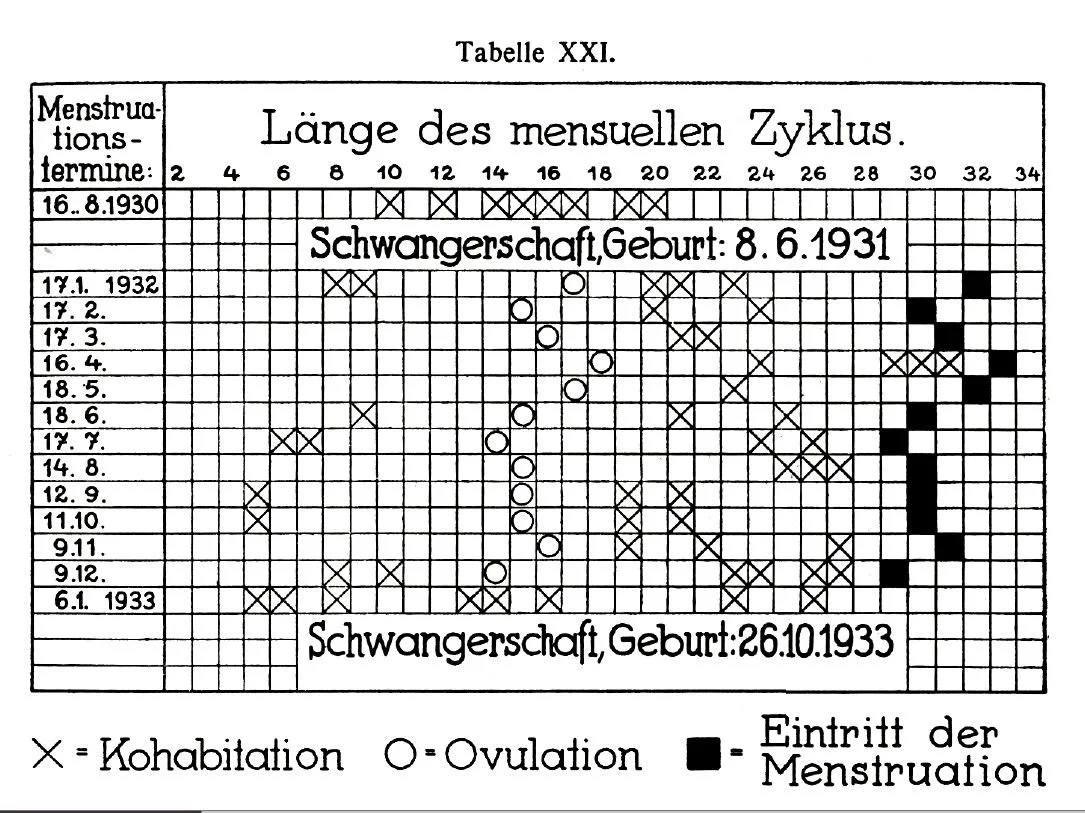
Historicizing Reproduction was a research project led by Martina Schluender in collaboration with M. Murphy about the 20th century as a central period when the “technoscience turn” in reproduction took place. The project was supported by an EU Marie Currie Postdoctoral Fellowship.
2016-2017
Environmental Data Archiving
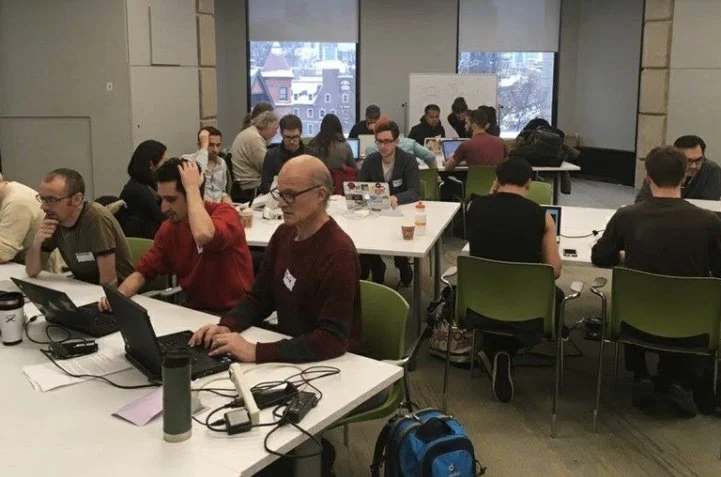
Environmental Data Archiving was a project co-organized by TRU members Michelle Murphy, Matt Price , and Patrick Keilty to archive government environmental and climate data vulnerable to becoming less public accessible or lost in the transition to the new presidential administration. This project was part of EDGI and its Data Rescue work in collaboration with the DataRefuge project at University of Pennsylvania and the Internet Archive.
2015-2018
The Politics of Evidence
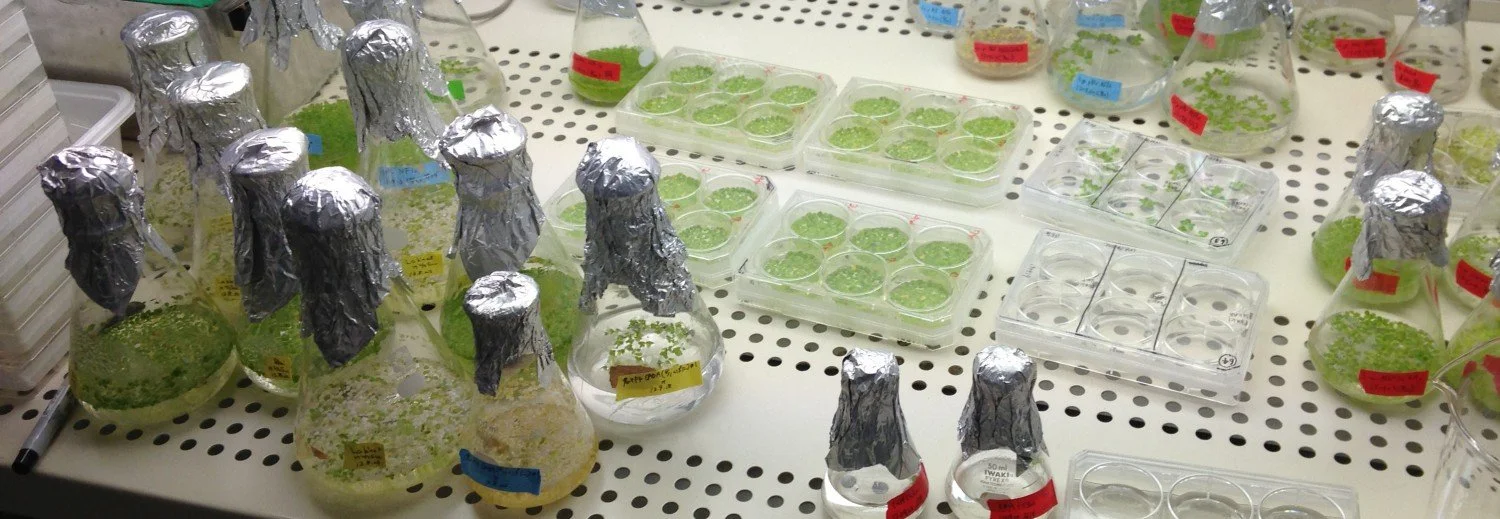
The Politics of Evidence andOur Right to Know Collaboration Carla Hustak and Michelle Murphy of the TRU are working in collaboration with The Politics of Evidence Working Group, organized by Natasah Myers, on bringing greater attention the to the federal politics of knowledge making and ignorance in Canada. The TRU also has a representative on the organizing committee of the non-profit Our Right to Know, which is coordinating a national network of organizations concerned with the current politics of Canadian science and research.

2017
Techniques of the Corporation
Techniques of the Corporation was a SSHRC funded project from 2016-2018 that critically examined the corporation in the same way that historians of science and STS scholars have approached science, colonialism, and militarism as complex sites for knowledge production, value-making, and technopolitics. This project was co-led by Kira Lussier, Bretton Fosbrook, Justin Douglas and Michelle Murphy)

2017
Sexy Data
Sexy Data was a SSHRC-funded project led by TRU member Patrick Keilty that examines the strategic choices made by technical staff within the vast and lucrative online pornography industry.
2011
Plant Encounters
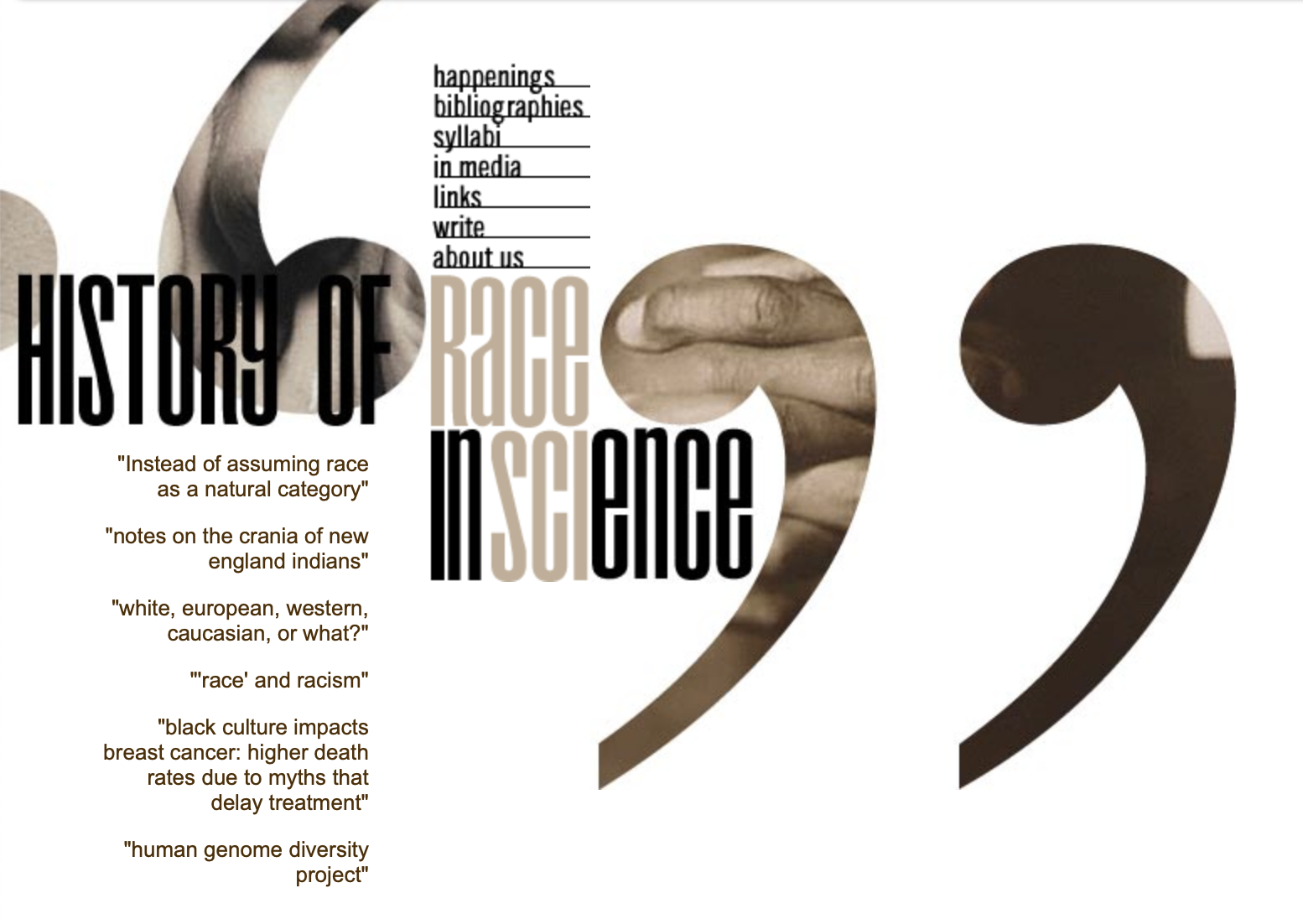
The RaceSci Website was a scholarly forum and database that addressed a longstanding gap in resources for the history of race in science, medicine, and technology.
Learn more about the project →
1996-2006
RaceSci Website
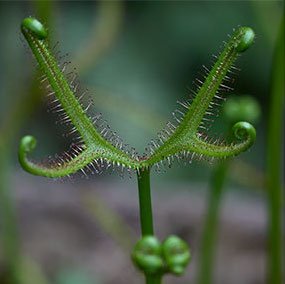
The Plant Encounters Workshop, organized by Carla Hustak, was animated by an inquiry into interdisciplinary approaches to encountering plants as nonhuman others that problematize our ontologies, politics, methodologies, and narrative frameworks